
Journey to Panama, with Emma
About a year ago I was invited to a Panama FAM trip with Ogaya Travel. I had never been to Panama, only Costa Rica many years prior, and the tour operator I was working for at the time wasn't committed to expanding into Central America. I felt, however, that this was an opportunity not to be missed; Panama felt relevant and timely as a "new" destination for my clients, and Ogaya's itinerary looked frankly too beautiful too pass up. What I experienced was one of the most refreshing research trips I've taken in a long time. Ogaya's itinerary was expertly curated to allow our small group of travel advisors to visit three distinct locations in Panama - Panama City, El Valle de Anton, and Bocas del Toro on the northern Caribbean Coast.
Panama City
I landed in Panama City (direct flights from Austin!), where I was met off the jet bridge and whisked through customs and security. We loaded into our transport vehicle (stocked with Panamanian drinks and snacks), and headed directly to the Panama Canal. I admit, this part of the trip wasn’t what I was most excited about, but I understood that the majority of my future clients would be visiting Panama specifically to see the canal, and it’s an important part of the experience. However, I was really surprised by how much I enjoyed learning about the canal! Ogaya booked us into the VIP tour, which goes beyond the viewing deck and grants visitors special access to the outside area next to the lock doors. Here is the only place you can feel the scale of these massive cargo ships transiting the locks, each carrying thousands of shipping containers. We also learned more about the engineering behind the locks and watched how quickly these concrete chambers fill and empty with water. Beyond the engineering of the canal, the history of the canal is incredible; Canal visitors will learn more about the history of the canal and its geopolitical importance through an informative and entertaining, 45-minute iMax movie at the onsite museum. P.S. - for history and engineering buffs, partial and full Panama canal transits are available through Ogaya.

Panama Canal
After the canal tour, we made our way to UNESCO-protected Casco Antiguo. the historic heart of Panama City. We checked into our hotel, the iconic Hotel La Compañía. Not just a hotel, this a living museum with Spanish, French, and American-wings and five unique restaurants, all surrounding a historic courtyard in the middle of the old city. After a site inspection, we dined at El Santuario, a Panamanian-Spanish fusion located in the former monastery.
The next day, it was time to explore the jungle just 45 minutes beyond the glitz of the modern city. With our expert guide Claudio, we navigated the waters of the lake by small motorboat, spotting cute capuchin monkeys, tamarinds, and various bird species. As we zipped back across the lake in our little speedboat, we passed directly next to a massive ship carrying thousands of containers - the scale is absolutely dizzying, and it’s another highlight of a visit to Gatun Lake. Back at the dock, we refreshed with Ogaya’s homemade banana bread and strong Panamanian coffees before continuing deeper into Chagres National Park. We were here to visit the Emberá Drua Indigenous community. The community lives deep inside the national park, and help to protect the Chagres River and Alajuela Lake, which together provide over 80% of the water needed for the Panama Canal’s operation and the drinking water for Panama City. At Puerto Corotú we boarded our piragua, a traditional motorized dugout canoe, and zipped along the Chagres river for about 40 minutes until we reached the Emberá Drua. Unlike some demonstrative villages that are only "active" when tourists arrive, the people of Drua live here full-time, and for that reason every visitor’s experience may differ. We were invited to watch their traditional music and dancing before enjoy lunch of fresh river tilapia, fried plantains, and sweet and fresh papaya and pineapple. We learned more about their culture, including traditional tattoos made with the juice of the jagua fruit, handicrafts, and a botanical walk, and refreshed with a swim in the Chagres river before blissfully floating back to the port. It’s worth noting that Ivan and Maria Amelia are personal friends with the Embera Drua community leader and chief, Andrea, which allowed them to not only properly prepare our expectations for the experience, but also enhanced the intimacy of our visit, and helped us to feel that we were not just tourists visiting an Indigenous community; we were amongst friends and stewards of this experience. Back in the city, we capped off our day with a sunset cruise on a private boat in the Bay of Panama, where we marveled at the glittering cityscape and watched massive ships exit and enter the canal.
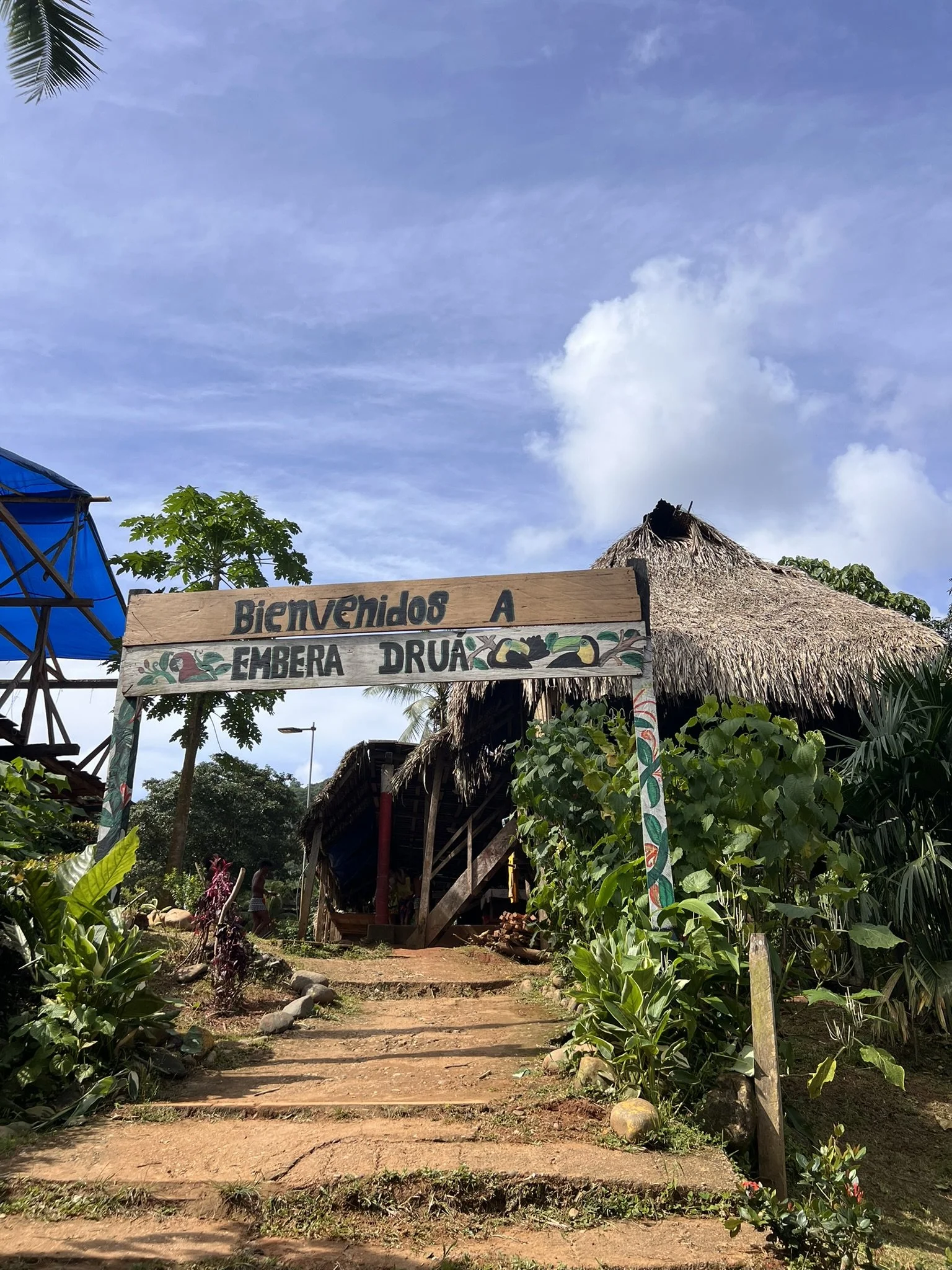
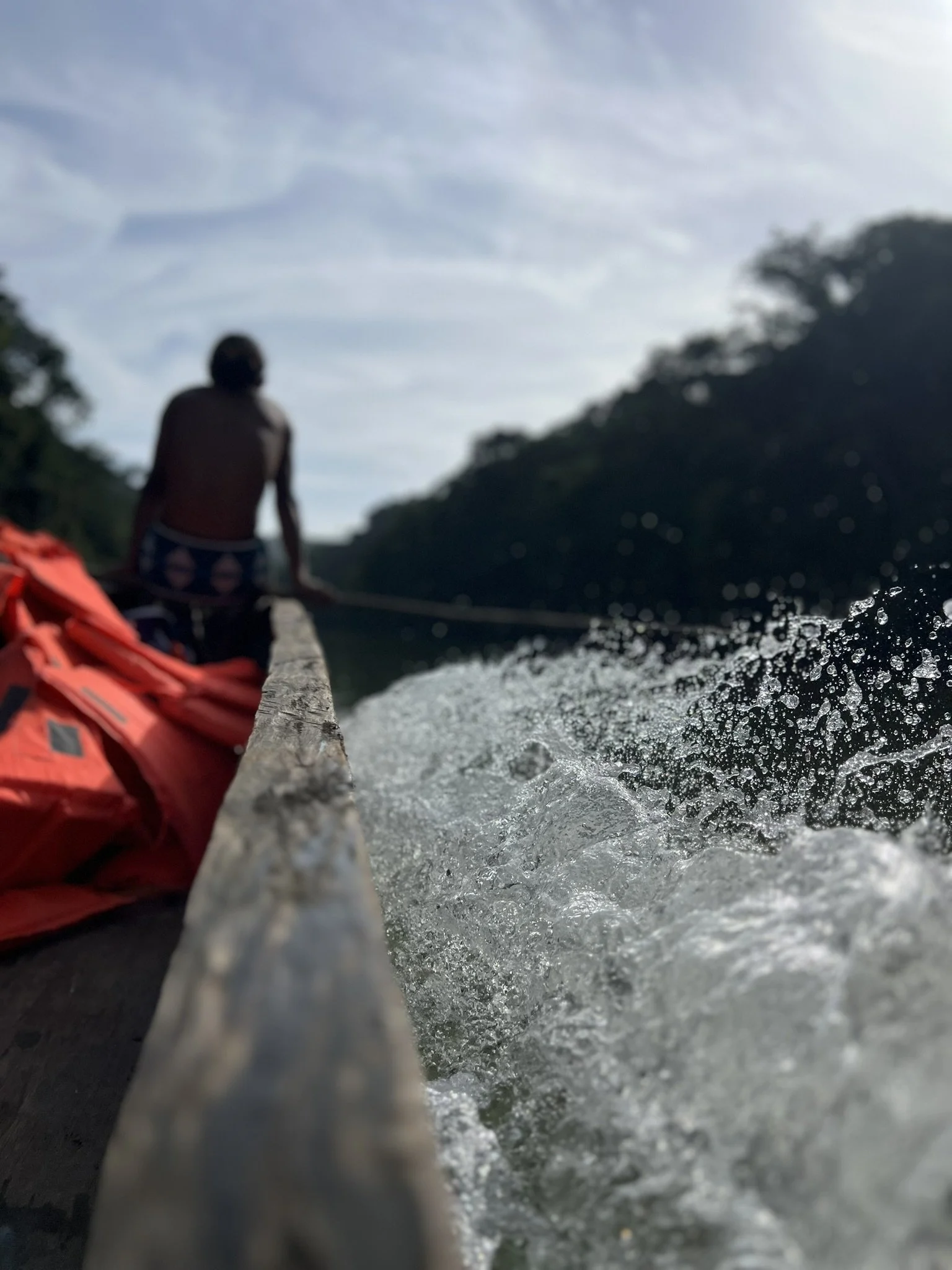
Piragua to Embera Drua
The next morning, we visited Panama’s Biomuseo, designed by world-renowned architect Frank Gehry. It is his only work in Latin America and serves as a gateway to the Amador Causeway. The museum's primary mission is to tell the story of how the Isthmus of Panama rose from the sea, connecting North and South America and fundamentally changing the Earth’s biodiversity. After the visit, we toured the Sofitel, another icon in Casco Antiguo, and enjoyed a special lunch capped with a geisha coffee experience, one of the most exclusive and expensive coffee varietals in the world, grown in Panama's Chiriquí Highlands.
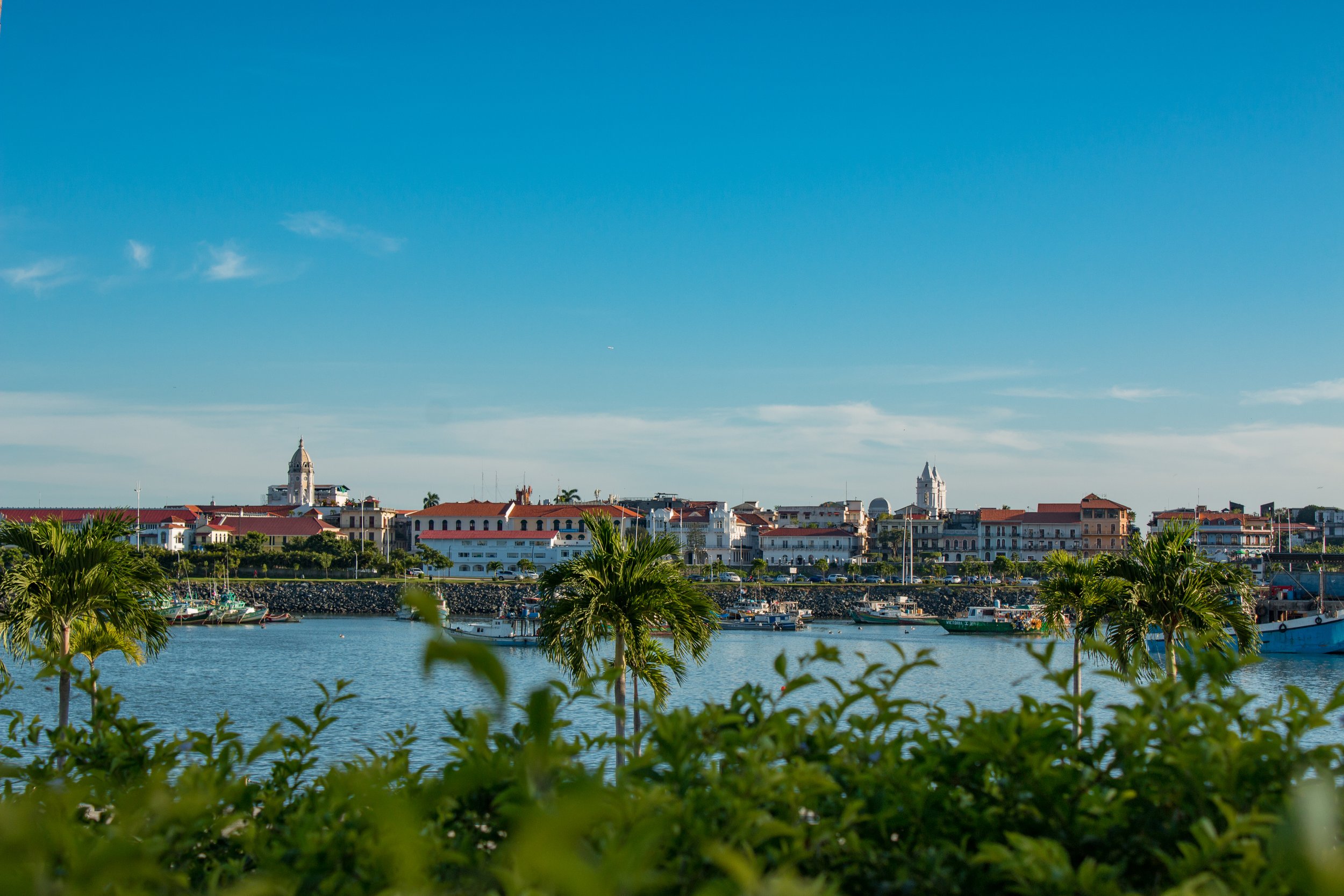
Casco Antiguo, Panama
El Valle de Anton
After lunch, we set off for Panama’s highlands, Valle de Anton. Located about two hours west of the city, El Valle is a charming mountain town built entirely inside the caldera of an extinct volcano, where city citizens go to escape the humidity and cool off in Panama’s “perpetual spring” climate. Here we stayed two nights at another La Compañía property, Hotel La Compañía del Valle, Casco Antiguo’s sister hotel. Leaning into the healing properties of El Valle, the hotel is designed as an "art and wellness" sanctuary - part museum and sculpture garden and health and wellness retreat with the on-site Elysium, the largest spa in Central America.
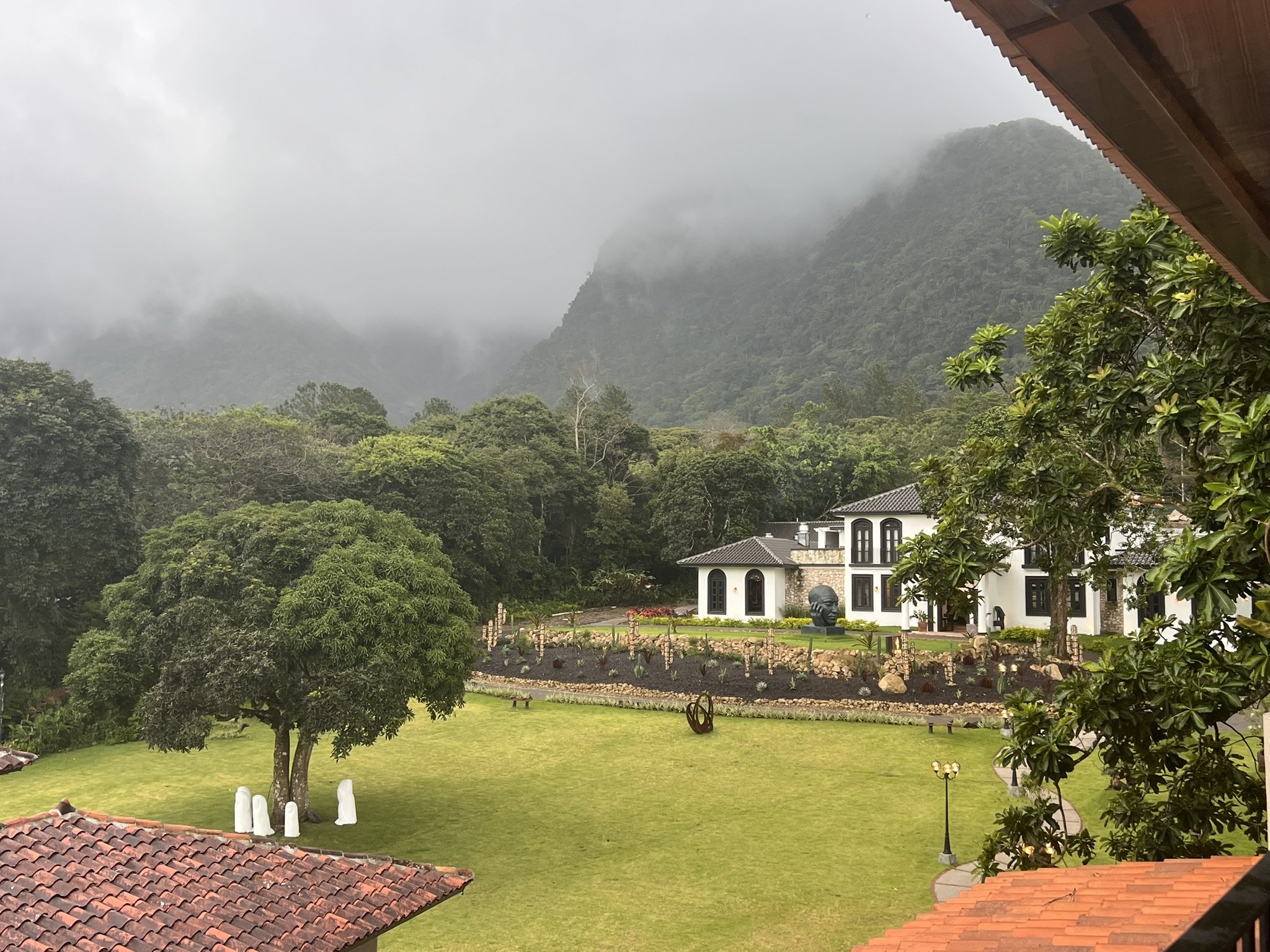
La Compania el Valle
During our stay we hiked up the cool, humid mountains to Cerro Gaital, admiring the lushness of the landscape and the flora and fauna along the way, by night enjoying conversation and meals while watching the sun set over the surrounding mountains. Other activities in this area include hikes to waterfalls and natural pools, hot springs, and the traditional Sunday market where local farmers and artisans gather.
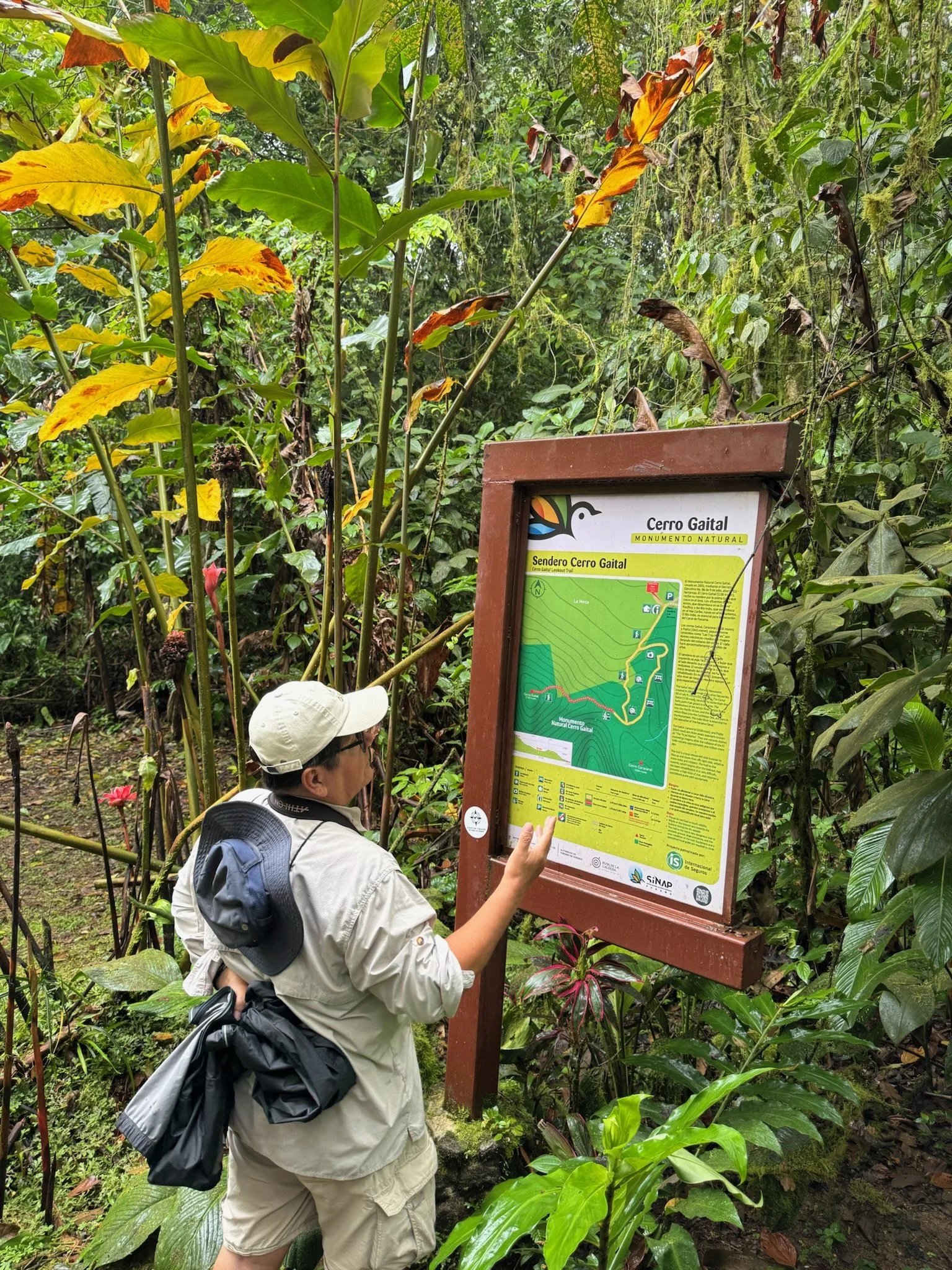
Our Guide Claudio at Cerro Gaital
Bocas del Toro
From here, it was two hours back to the city and to Panama City’s domestic airport, where we enjoyed complementary drinks in the Flytrip lounge, before boarding our 12-seat Cessna for the scenic 50-minute, low-altitude flight to Bocas del Toro, on the northern Caribbean coast of Panama, close to the border with Costa Rica. Bocas del Toro is known for surfing, pristine beaches and clear waters, island hopping, biodiversity and marine life, and Afro-Caribbean culture. Our home for two nights was Nayara Bocas del Toro, an adults-only, luxury resort accessible only by boat. Built into the Caribbean mangroves, the resort operates off-grid and sustainable practice is at the forefront of every decision. After refreshing with hot towels and welcome drinks on the main dock, we explored the hotel via over-water boardwalks and checked into our rooms. Each private villa on the property has a private plunge pool, a wrap-around deck, and a ladder delivering you straight into the sea. Snorkel gear is provided so you can start exploring right away. In addition to the overwater villas, the resort has stunning treehouses! Elevated 50 feet off the ground, each treehouse is built with local and reclaimed wood and are beautiful and whimsical by design; a glass moon door welcoming you into your private space, your bathroom has an outdoor jungle shower and a deep soaking tubs above the trees, and an open-air upper deck living room.
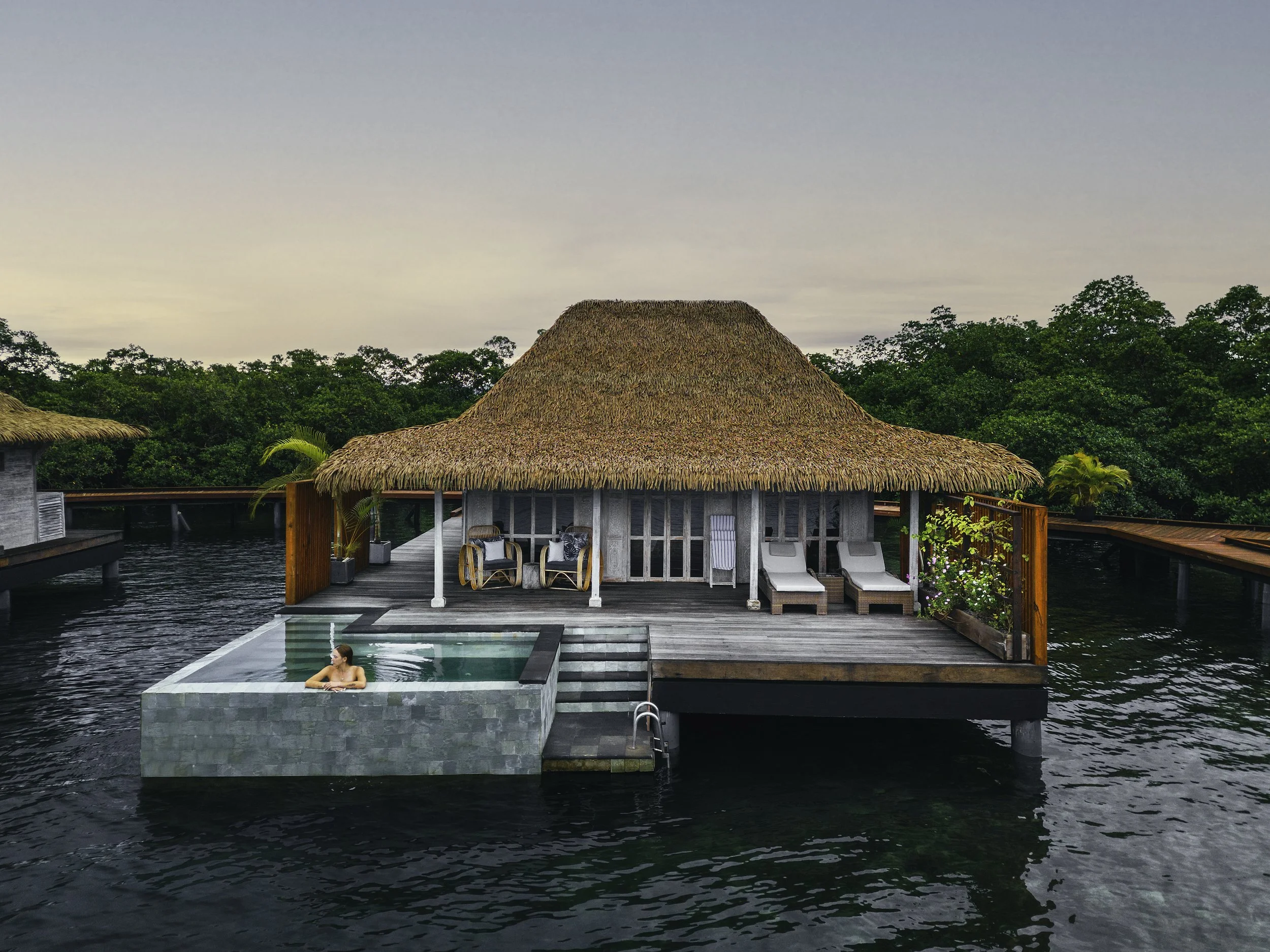
Nayara Bocas del Toro Overwater Villa
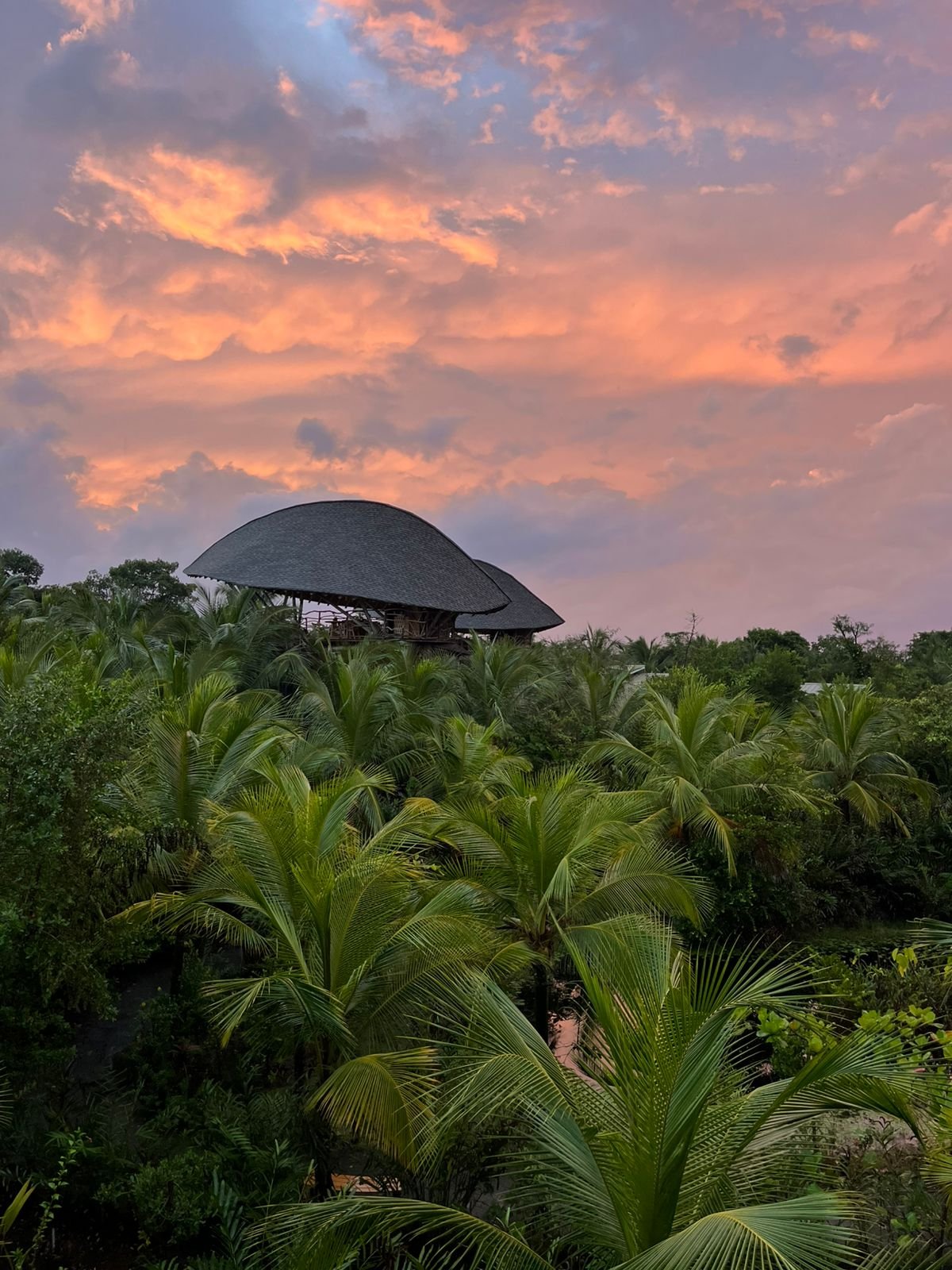
Nayara Bocas del Toro Treehouse
The next morning, we were off on our marine adventure. Our destination was Escudo de Veraguas, a small island reached only by boat, two hours from Nayara. The commute was worth it; we had the island entirely to ourselves except for the Indigenous locals who call this island home. Once arrived, we anchored off-shore, and were met by local guides who ushered us into small wooden boats so we could more easily explore the inlets and crags of the island. We went searching for the elusive, and critically endangered, pgymy three-toed sloths, a saltwater swimming mammal whose last remaining habitat is this small island. We found them among the mangroves clinging to the trees, but if you’re lucky, you may catch them swimming. After spotting the sloths, we went searching for the perfect beach - there were many to choose from. We snorkeled around in protected coves, sky blue above and below and thick, dense, lush greenery on land behind us. After returning to the boat, we set off on glass bottomed paddle boards and kayaks to cover more ground and enjoy the waters.
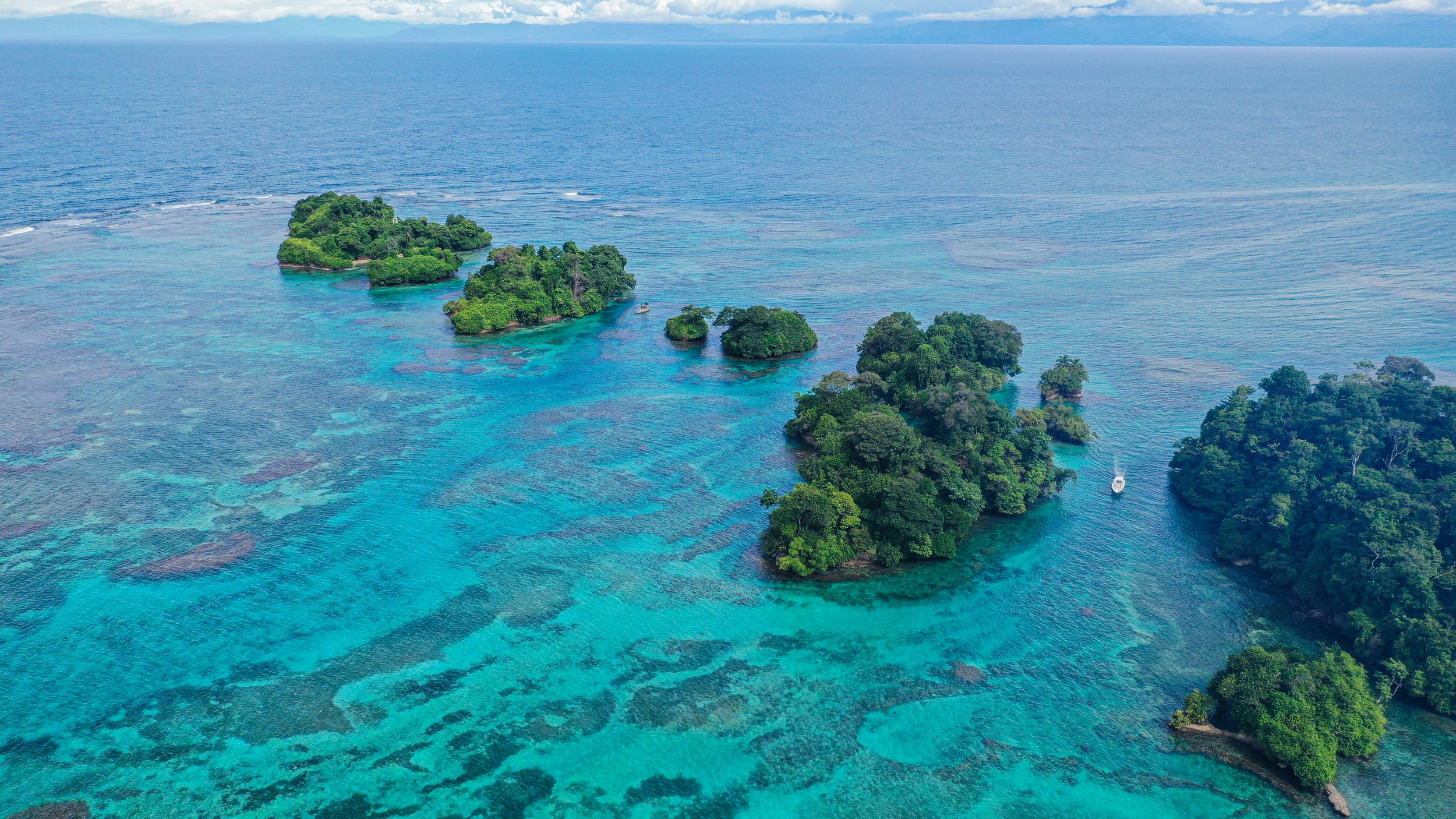
Bocas del Toro - Escudo de Veraguas
After lunch onboard with fresh ceviche and icy beers, we started back towards home, making a pit stop at Isla Tiburon, another insanely picturesque tiny island, where we anchored offshore and all dove into the ocean to swim towards the small beach. We took pictures and hiked around before swimming back and returning to Nayara.
The next day, rainy season caught up to us in the best way. This was the last day of our trip, and the rain cancelled the boat tour we were meant to take. Instead, all of us caught up on sleep or got massages. I personally spent about four hours with my deck doors wide open, laying in bed watching and listening to the rain fall into the sea before me, ordered room service (available 24 hours a day at Nayara), and packed for our departure.
A quick flight brought us back to Panama City and La Compañía. We met for our final dinner at La Cantina del Tigre, on the list of Latin America’s Top 50 Restaurants, and dined family style on fresh, local Panamanian ingredients and cocktails.
