
Vetting a DMC
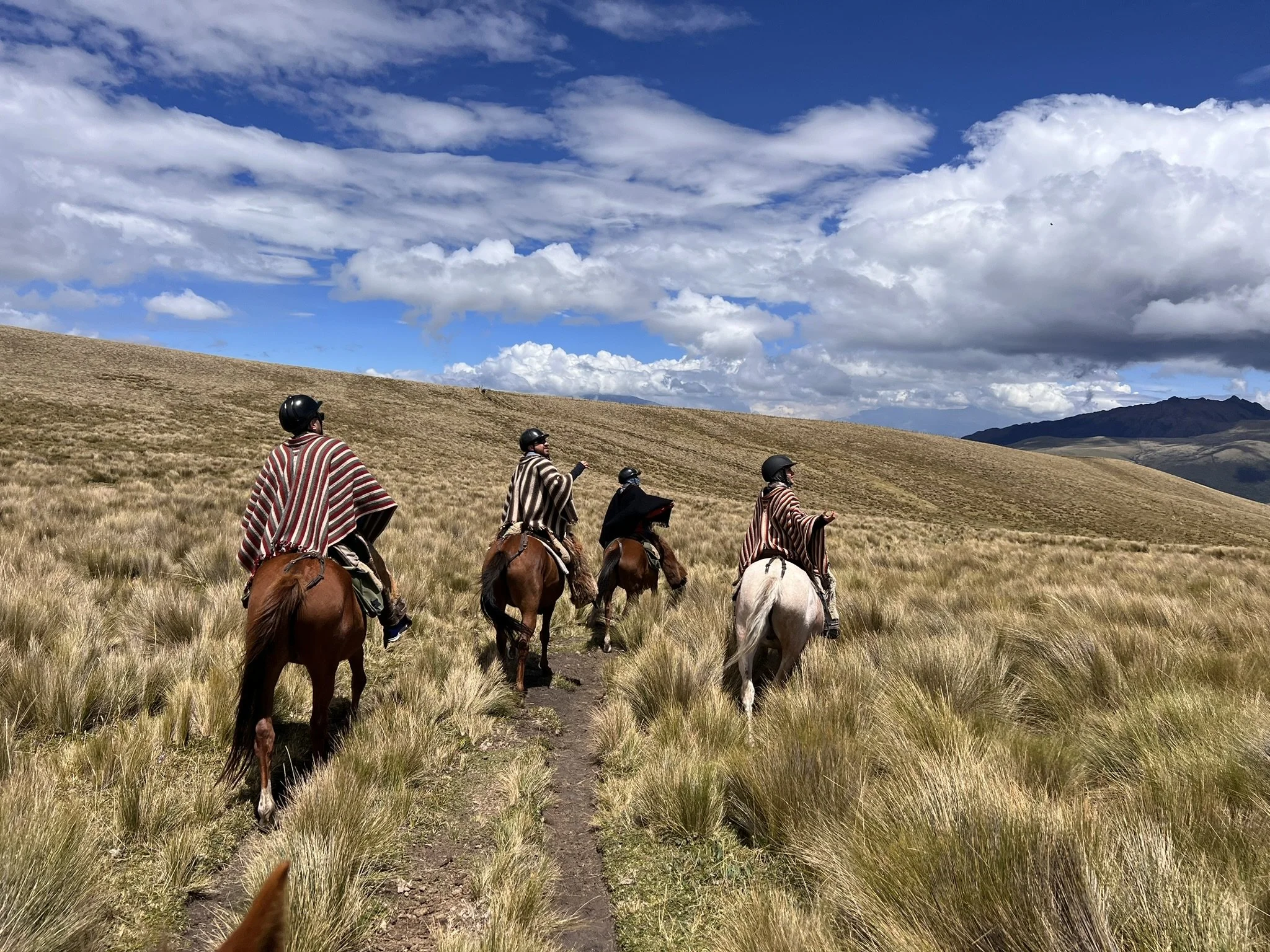
Maybe you’re ready to expand into a new destination, or you’re looking for a change. Either way, choosing to partner with a DMC is a big decision, and stakes are high as they will carry your brand’s reputation on the ground. We’ve already covered why and when advisors should work with DMCs, and what makes a partnership work; here we’re offering our tips on how to vet and choose a DMC for your travel business.
Business Fit & Scale – Know Yourself First
Before evaluating a DMC's operations, make sure you thoroughly understand your agency's booking volume, client profile, your personal region expertise, and your operational style:
Independent Advisors (5–10 inquiries/year): Partner with boutique DMCs matched to your scale. You want a team that recognizes your name in their inbox and offers personal attention. A large DMC with impressive operations carries overhead that you and your few clients don’t need to be paying for.
High Volume Operators: Look for DMCs with dedicated account teams, scalable tech integration, and sufficient operational capacity to handle more consistent booking flows. DMC’s want to work with you - if you get on well with a small operator, ask if they will hire an account manager for your files (dependent on guaranteed inquiry volumes).
Multi-Country Operations vs. Boutique Specialism:
In South America, we do a lot of multi-country, cross-country trips. It can be tempting to go for a DMC who covers much of the continent, but this isn’t always the best service for your client, and on-the-ground operations can get murky.
Be cautious with DMCs who do cover multiple countries. Clarify whether they maintain true, fully staffed local offices and local expertise in each destination or simply subcontract to local outfitters.
Patagonia is a major exception in Latin America. Ignoring geopolitics, Patagonia acts as its own country, but is shared by both Chile and Argentina. A majority of Patagonia travelers visit both countries in one trip, and it’s typical for Chile and Argentina DMCs to handle the entire, two-country trip. There’s no perfect system, but in these cases, we typically seek to partner with a DMC who has a strong “primary” destination, and go to them first if 50%+ of the itinerary falls in their country (and vice versa).
While multi-country DMCs can streamline operations for high-volume tour operators, independent advisors often pay higher margins for this structure. Instead, look to partner with local operators in each individual country; you’ll find that many great DMCs manage multi-cross-country trips with ease.
Operational Systems & Ground Presence
Verify how the DMC manages safety, licensing, and client support in-destination:
Ground Office & Staffing: Identify where their physical offices are located and verify the size of their on-the-ground team.
Licensing & Insurance: Request documentation of local tourism registry licenses and active public liability/professional indemnity insurance.
Duty of Care & In-Trip Support: Clarify the exact structure of their emergency and concierge support.
Emergency-Only vs. Concierge: Determine if they handle real-time client questions during the trip or if that responsibility falls to you.
Communication Channels: Ask if client support is a local phone number or an active, managed WhatsApp group.
Pro-Tip - The Ultimate Vetting Test: If the opportunity arises, take a FAM trip with your top prospective DMC(s). Nothing compares to experiencing their ground logistics and tours firsthand - testing their guide caliber, airport transfers, in-destination support, and itinerary flow as a guest is the single best way to vet their service before sending your clients. Oftentimes a DMC can pass a virtual test with flying colors, but you may identify on-the-ground issues you never could have known otherwise.
Sales Team & Itinerary Design
Interviewing a DMC owner is great and will tell you a lot about the ethos and ethics of the company, but you won’t be dealing with them on a day-to-day basis, unless they’re very small and handle your requests directly. Otherwise, your experience depends entirely on their sales and operations teams:
Staff Expertise: Evaluate trip designers directly. Confirm their industry experience and how long they have been working with North American travelers.
Constructive Pushback: A top-tier trip designer should actively enhance your itinerary using local insight. Unless you know the country and its products well yourself, expect them to push back on logistically unrealistic schedules and offer functional alternatives rather than blindly accepting every request.
Bespoke Customization vs. "Lazy Luxury":
Assess whether initial proposals show genuine local insight or rely on cookie-cutter, mass-market excursions.
Watch out for default luxury: A DMC that defaults to high-end, famous, luxury hotels for every single itinerary is often taking the lazy route.
Look for a DMC with the confidence and thoughtful product knowledge to help you push clients slightly outside their comfort zones, steering them away from repetitive "Instagram-trap" properties in favor of truly distinctive, character-rich local stays and experiences.
Workflow & Communication Speed:
Establish response time expectations for initial drafts and revisions.
Advisor Responsibility: Do your part to prepare the trip designer appropriately so that the first draft is the one your clients want to see. Make sure you’ve included all client details, interests, likes, dislikes, and budget restrictions in the initial inquiry. A good DMC won’t just fit to order, and they may need more information from you before putting an itinerary together.
Terms & Pricing
Set clear financial expectations before submitting your first itinerary request:
Net Rates vs. Gross Commission: Define your preferred pricing setup (net rates for agency markup vs. gross rates with built-in commission).
Itemized Price Breakdowns: State upfront if your business requires line-item price breakdowns to facilitate faster client edits and transparent communication.
Payment & Cancellation Terms: Review deposit schedules, final payment windows, accepted payment methods, currency handling, and cancellation penalties to ensure alignment with standard vendor policies.
Cost Check: If you’re new to selling a particular region, get a sense check on pricing by asking for sample itineraries from multiple DMCs. Or, reach out to your reps for help establishing a normal baseline for services.
Representation & Partnerships
Get to know their reps! Bring sales representation into your vetting workflow:
Representation & Trust: Assess the responsiveness, destination knowledge, and reliability of the DMC’s sales representative.
Portfolio Consistency: Ensure the representative's broader portfolio aligns with the quality, style, and standards your agency requires.
