
Eurosummer and the Growing Problem with Overtourism
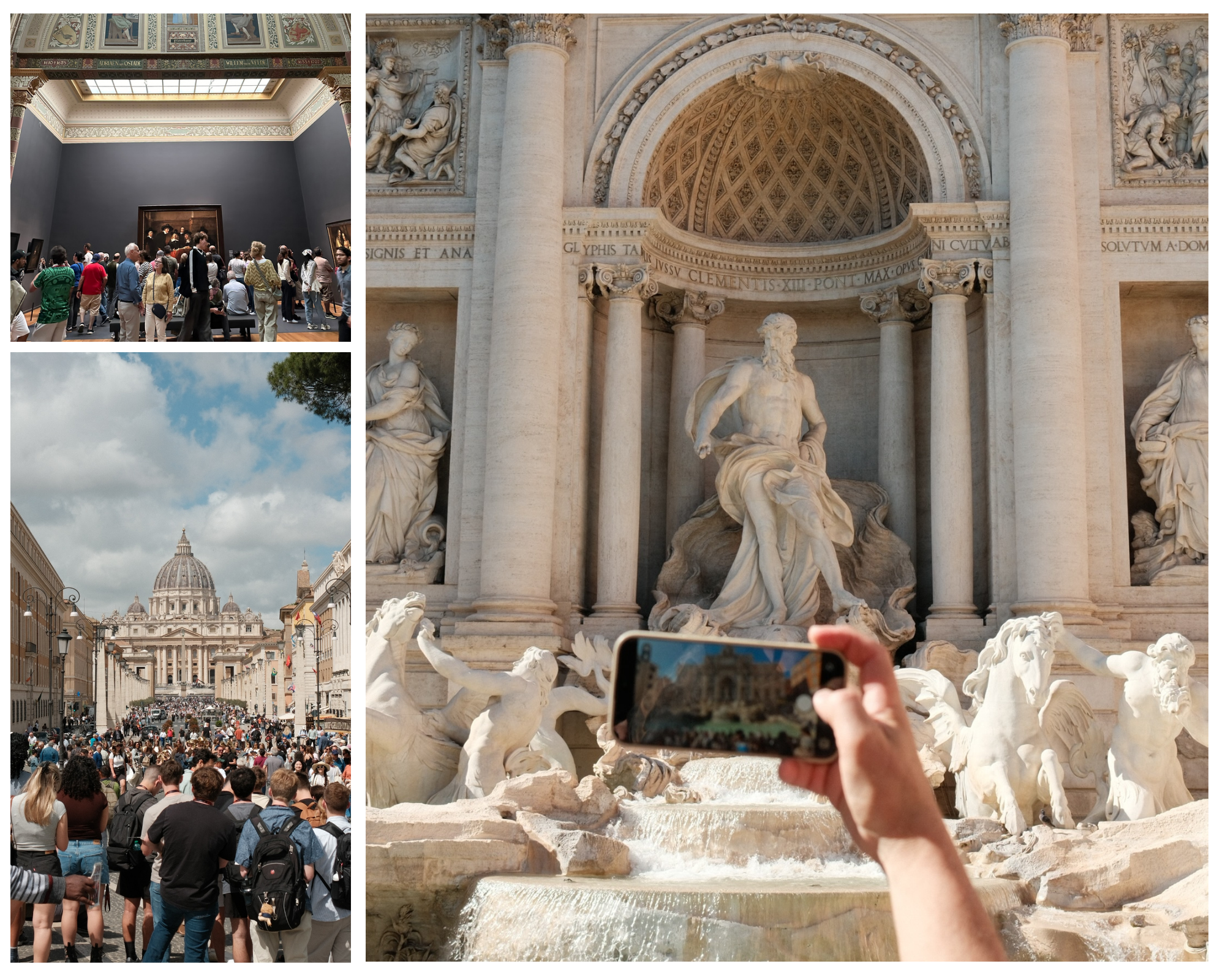
With “Eurosummer” travel in full swing, we've been thinking a lot about overtourism. A couple of years ago I was having lunch with the GM of Casa Real in Chile, who told me how tourism numbers compare between Chile (5 million) and Spain (95 million). I was astonished, and I've never forgotten that stat.
The disparity in tourism numbers between Europe and Latin America are frankly, shocking, but they shouldn't be. Europe is so inundated with tourists that they can no longer manage the numbers, instead turning to regulation.
Venice is requiring pre-registration and entry tickets.
Barcelona is attempting to eliminate short-term rentals by 2028.
Norway has added tourist taxes, recognizing that free access to its pristine landscapes is no longer sustainable.
the Netherlands increased VAT from 9-21%.
Greece is implementing cruise passenger levies.
What used to feel like an easy, breezy, US passport-holders god-given summer right (free reign within the Schengen Area), will now require extra layers of advance planning and perhaps, a reconsideration of where to spend hard-earned vacation money and a reflection on who abroad may benefit from it most.
Europe is an overrun continent attempting to retrofit sustainable tourism practices into an overburdened, century-old tourism model. Compare this to Latin America's comparatively newer tourism framework: boutique lodges and DMCs are created out of conservation and community equity. The entire operational model is built to protect the biodiversity, history, and communities that travelers come to see.
Simultaneously, forward-thinking infrastructure is rising.
Copa Airlines Panama Stopover program has seen massive success, turning a simple connection into an opportunity for multi-day immersion into Panama, and more easily bridging Central with South America.
Peru's Ministry of Culture implemented strict entry windows and circuits for visitors to Machu Picchu, and daily capacity is capped at about 5,000 people per day (compare this to the Eiffel Tower, which can see upwards of 30,000 visitors each day in peak season, the Akropolis and Parthenon are capped at 20,000 per day, and the Vatican and Sistine Chapel receive between 20-25,000 visitors each day in peak season). Peru is also intent on decentralizing travel to Machu Picchu, by actively investing in transport and accessibility to open up Incan and Pre-Incan ruins throughout the rest of the country, like Choquequirao and Kuelap.
For reference, Peru saw 3.4 million visitors in 2025 while France received 104 million, Greece 38.6 million, and Italy 59.5 million.
Here is where the travel advisor comes in. It's really easy to sell what is already popular on Instagram - in this example it's not really the advisors job to sell the value of a Mediterranean beach vacation, because the value was already sold to your client via Instagram. The sale was already made through their curated algorithm, they're just looking to you to execute it.
An advisors actual value lies in curation, redirection, and expectation setting. We hold so much power (maybe too much) as travel advisors; when we send travelers to over-crowded European cities, those dollars get eaten up by corporate hotel chains and strain infrastructure. When we channel clients to independent, owner-run properties and experiences in Latin America, those dollars directly fund regional conservation, sustain local heritage, and create stable, high-value employment.
Let's re-frame luxury from standing in a two-hour line in Barcelona to having a waterfall to yourself in Ecuador's cloud forest; trade the tour buses in Tuscany for a private wine-paired asado in the Uco Valley. "Spreading the numbers" isn't just good for the planet, it preserves the longevity of travel as an industry and guarantees a far superior guest experience.
