
Six of the world’s 17 megadiverse countries are in Latin America, more than in any other region. It’s no wonder that wildlife is a major draw for travelers to Latin America. This guide covers the animals luxury travelers ask about most, including where to find them and when to go for the best chance of a sighting.
Many of Latin America’s most sought after animals are highly elusive. Whether your clients find what they’re looking for depends on the guide, the lodge, how long they stay, the season. For wildlife-focused trips in Latin America, having the right DMC partner on the ground is key.
Click here to view and download our one-page wildlife matrix, designed for quick reference.
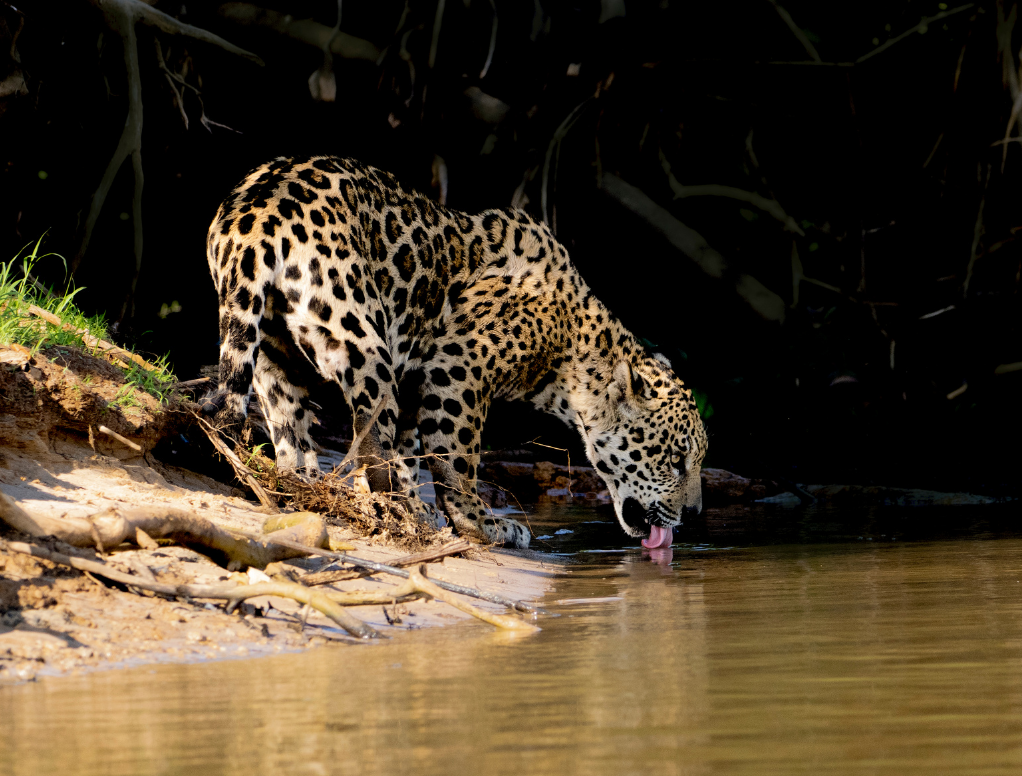
Jaguars
Where to go: Brazil’s Northern Pantanal · Colombia’s Los Llanos · Argentina’s Iberá Wetlands
How you’ll see them: In the Pantanal, by boat. Jaguars hunt caiman and capybara along the riverbanks, and the boat safaris out of Porto Jofre are the most reliable way to see a wild jaguar anywhere. Los Llanos is done by 4x4 and on foot across private ranches. There are fewer jaguars there, but plenty of other wildlife: capybara, giant anteaters, anacondas and big numbers of birds. In Iberá, jaguars are being reintroduced, so sightings are rare. Sell Iberá for the wetlands as a whole, not for the cat.
When to go:
Pantanal: July–October. This is the dry season, when wildlife gathers along the shrinking rivers.
Los Llanos: December–April, the dry season.
Advisor note: If the jaguar is the priority, book the Pantanal in peak season. Sighting are nearly guaranteed.
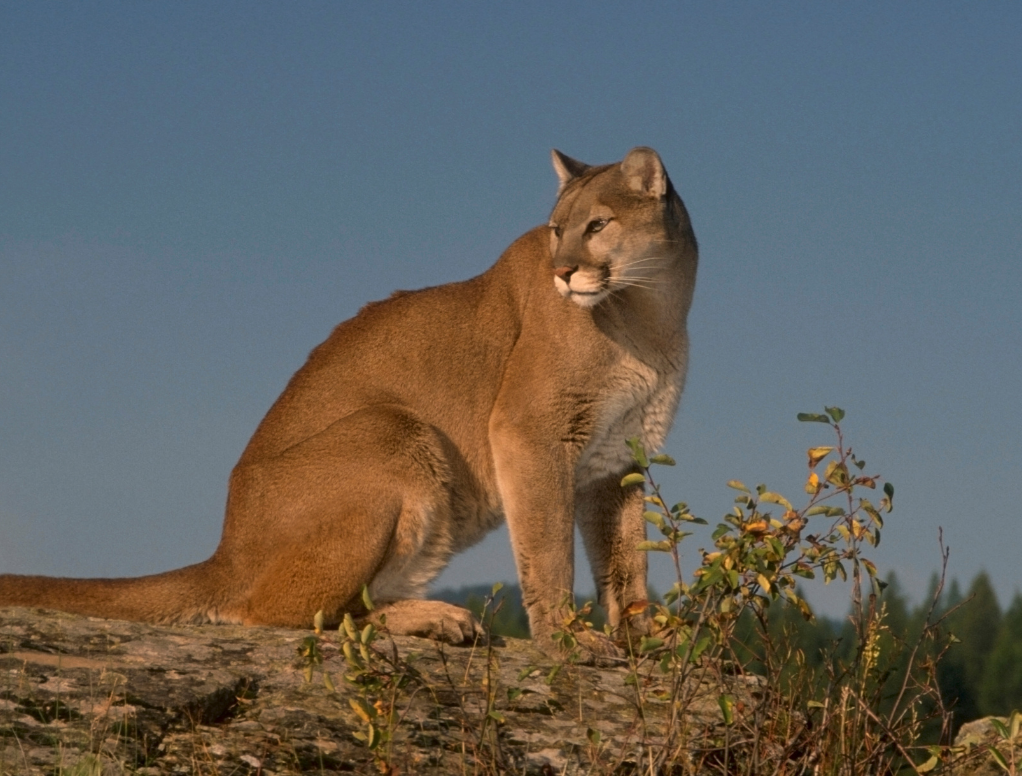
Pumas
Where to go: Chile’s Torres del Paine · Argentina’s Patagonian steppe
How you’ll see them: On foot, with expert trackers. Most tracking happens on private estancias next to the national park, where guides can leave the trail and follow the pumas in a way park rules don’t allow.
When to go: You can track pumas year-round, but April–October (the southern winter) is best. There are fewer visitors, the wind is lighter, and snow makes tracks easier to follow. November–March is high season in Patagonia: the park is busier and sightings are harder.
Advisor note: Expect early starts, hours outside in the cold and a fair amount of walking.
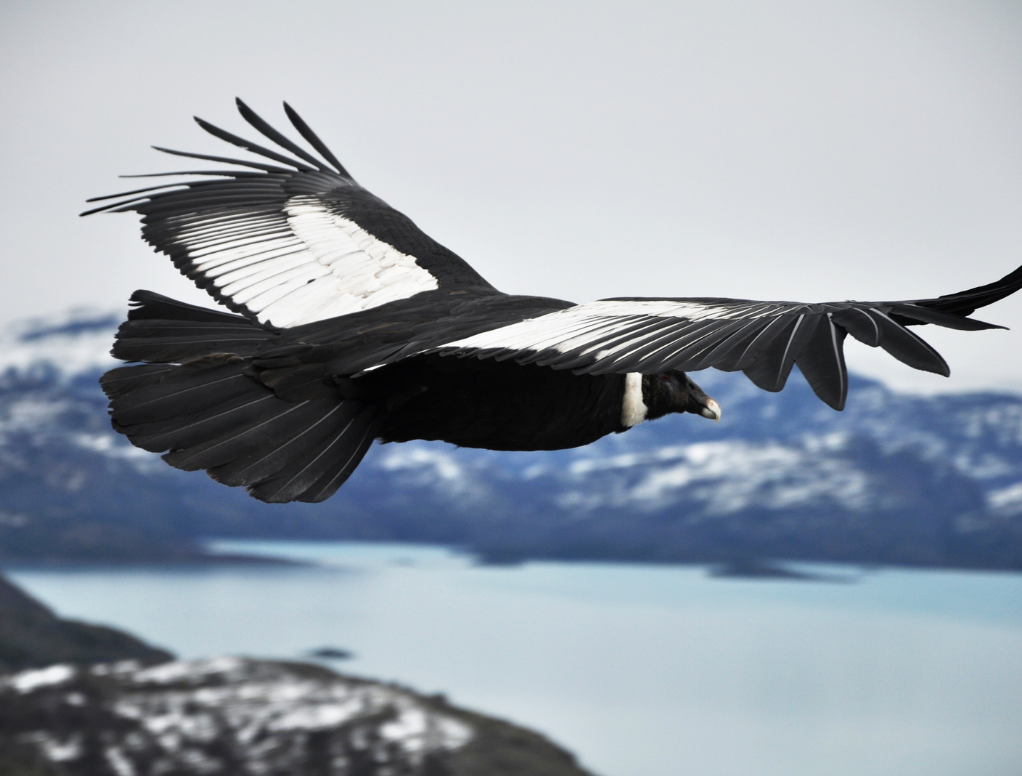
Andean Condors
Where to go: Peru’s Colca Canyon · the Chilean and Argentine Andes · Ecuador’s highlands
How you’ll see them: From canyon and cliff lookouts, as condors ride the warm morning air rising off the rocks. In Colca, the standard stop is the Cruz del Cóndor viewpoint.
When to go:
Patagonia and the High Andes: year-round
Colca: April–December, the dry season
Anywhere you go: early to mid-morning is when they fly
Advisor note: Colca is the place people go specifically for condors. In Patagonia, you see them regularly as part of a wider trip. Ecuador has very few, so treat a sighting there as a bonus.
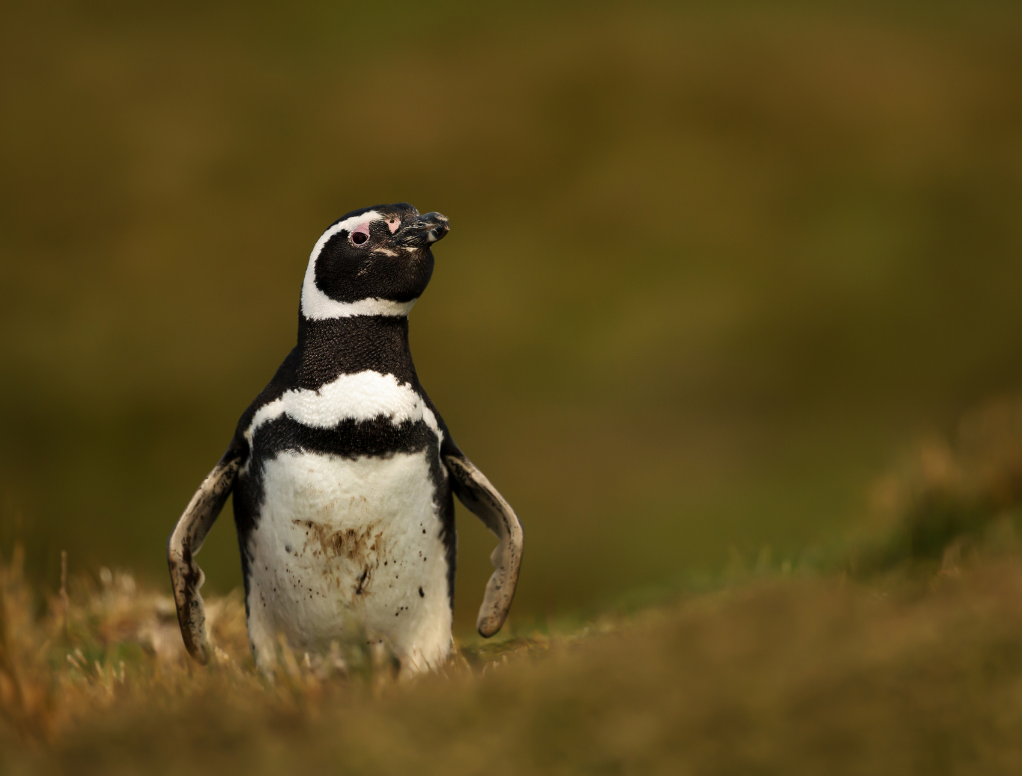
Penguins
Where to go:
Argentina: the Patagonian coast (Península Valdés, Punta Tombo, Bahia Bustamante) and the Beagle Channel via Ushuaia
Chile: Punta Arenas, Tierra del Fuego, Chiloé Island and La Serena
Ecuador: the Galápagos Islands
How you’ll see them: By boat and zodiac, from coastal lookouts and on shore walks. In the Galápagos, clients can snorkel and dive with them. The species differs by place:
Magellanic penguins are found in several parts of Chilean and Argentine Patagonia. Punta Tombo is one of the largest Magellanic colonies on the continent.
Gentoo penguins live alongside Magellanics in the Beagle Channel near Ushuaia.
King penguins have a colony in Chilean Tierra del Fuego, most easily accessible from Ushuaia on a multi-day road trip.
Humboldt penguins live near La Serena and at Puñihuil on Chiloé, which also has Magellanics.
Galápagos penguins are the only penguins that live on the equator, and the only ones your clients can swim with.
When to go:
Patagonia: October–March, the breeding season.
Galápagos: year-round. June–December is best, when the water is cooler and full of food.
Sloths
Where to go:
Costa Rica: Manuel Antonio, the Osa Peninsula, the Caribbean coast (Puerto Viejo, Cahuita and Tortuguero), Arenal and La Fortuna, and Monteverde
Panama: the Canal-zone forests and Bocas del Toro
Colombia, Peru and Ecuador: the Amazon
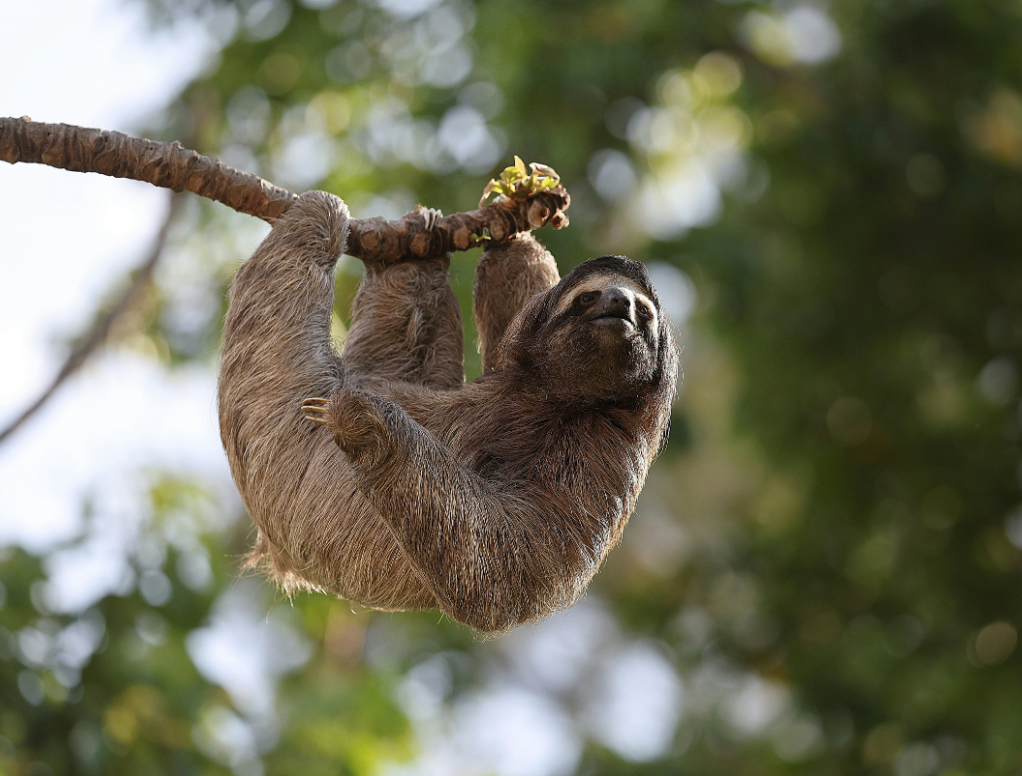
How you’ll see them: On rainforest walks and boat trips, with a naturalist guide. Sloths are easy to see once you know where to look and very hard to find without help. Costa Rica has both two-toed and three-toed sloths. They are most common in humid lowland forest, where trees stay green and there is food all year. In high-altitude Monteverde, only two-toed sloths live there. They’re mostly nocturnal, so a night walk is the best way to see one moving.
When to go:
Year-round
Costa Rica: December–April, the dry season, when the canopy is thinner and sloths are easier to spot
Any time of day: early morning, late afternoon or night, when sloths are most active
Baby sloths: September–November in Costa Rica, which falls in the green season
Advisor note: Clients see sloths across all of Costa Rica, so they don’t need their own stop there. In Panama, the Canal zone makes an easy add-on before or after a stay in Panama City.
Pink River Dolphins
Where to go:
Ecuador: the Lower Napo and Cuyabeno
Colombia: Leticia and the Amazon River
Peru and Brazil: the deep Amazon tributaries
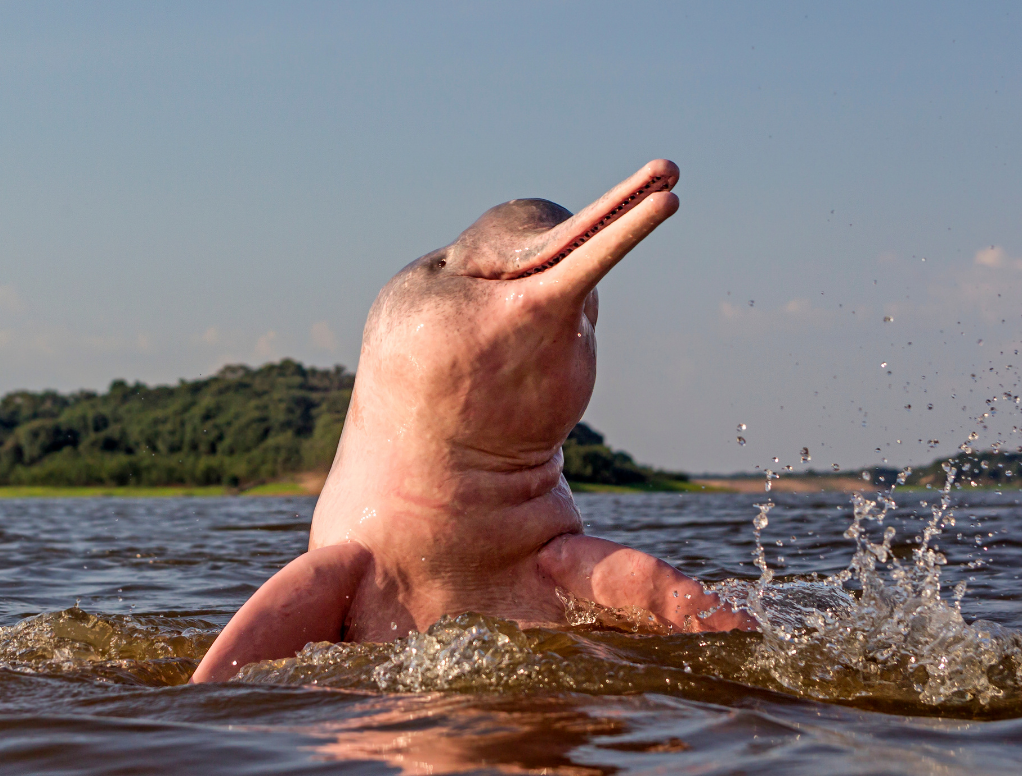
How you’ll see them: On a river cruise, with skiff outings into the flooded forest and side channels where the dolphins feed.
When to go: Year-round. The season changes the style of the trip more than the odds of a sighting:
High water (December–May): Skiffs can go deep into the flooded forest, with more time on the water and less on trails.
Low water (June–November): Rivers are narrower and animals are easier to find. Beaches appear and more forest can be walked.
Ecuador: high water runs April–July.
Advisor note: Neither season is better. Book high water for clients who want to explore by boat, low water for clients who want to walk.
Giant Tortoises
Where to go: Ecuador’s Galápagos Islands
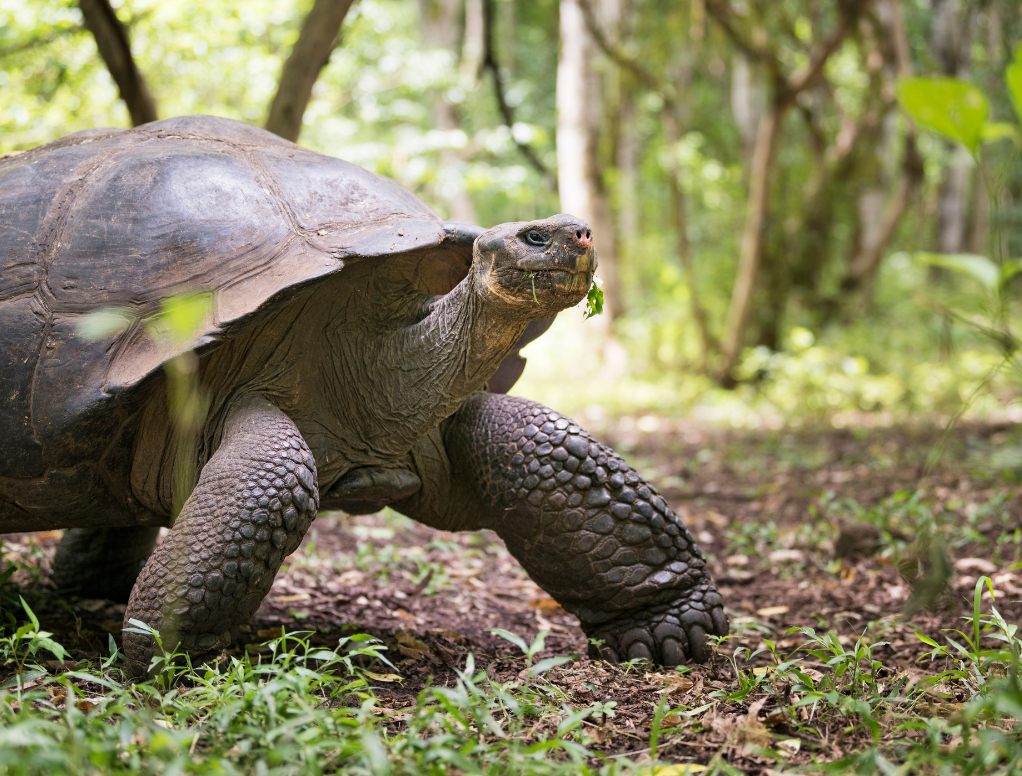
How you’ll see them: Clients can see tortoises in the wild, notably in the Santa Cruz highlands, and at the breeding centers on several islands.
When to go: Tortoises are present year-round. The season impacts other elements of a Galápagos trip.
December–May: Warmer water, calmer seas and more sun. Better for clients who get seasick and for snorkelers who want warm water.
June–November: Cooler and choppier, but peak season for marine life, because the cold current brings in food.
Humpback Whales
Where to go:
Mexico: Baja and the Pacific coast
Panama, Colombia and Costa Rica: the Pacific coasts
Ecuador: the Pacific coast and the Galápagos
Peru: the northern coast (Máncora, Los Órganos, El Ñuro and Cabo Blanco)
Patagonia: the Beagle Channel
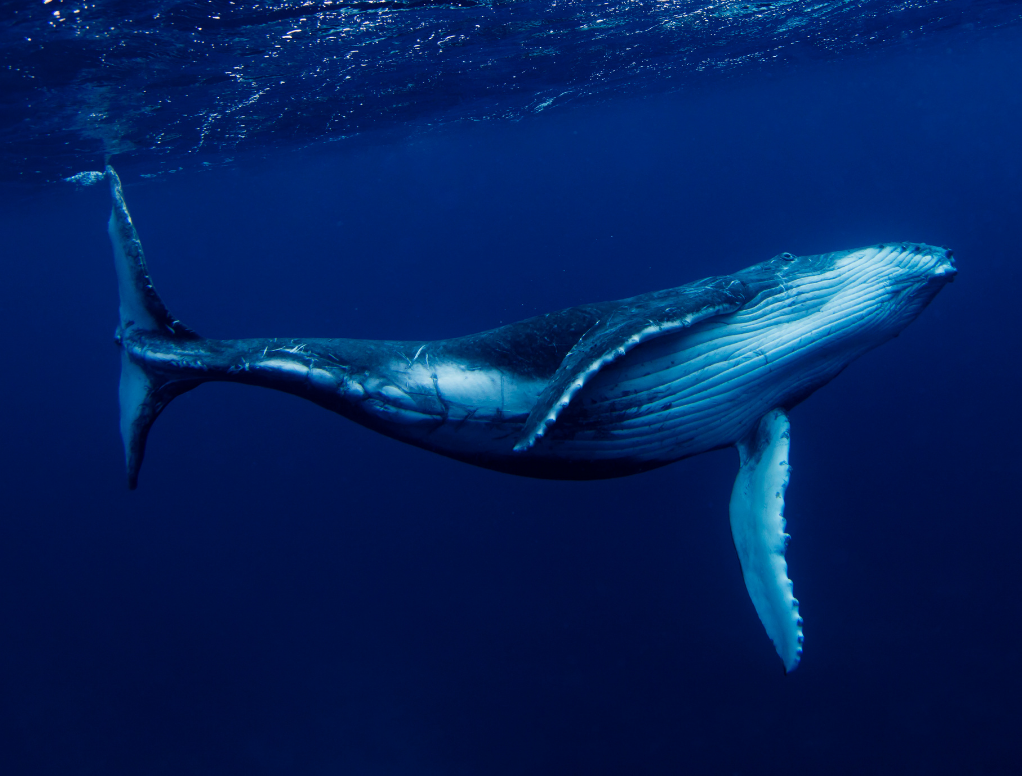
How you’ll see them: By boat in the warm Pacific waters where the whales breed, and by zodiac near Ushuaia, where they feed.
When to go: Two separate humpback populations visit the region, which is why the timing splits:
Panama, Costa Rica, Colombia, Ecuador and Peru: July–October. These whales come up from Antarctica to breed and give birth.
Mexico: December–March. These whales come down from the North Pacific. Costa Rica’s Pacific coast gets some of this population as well, which gives it two seasons.
Patagonia: December–March, when the whales are feeding in the southern summer.
Advisor note: Between the two populations, there is a humpback season somewhere in Latin America for most of the year. If a client’s dates are fixed, pick the coast that fits them.
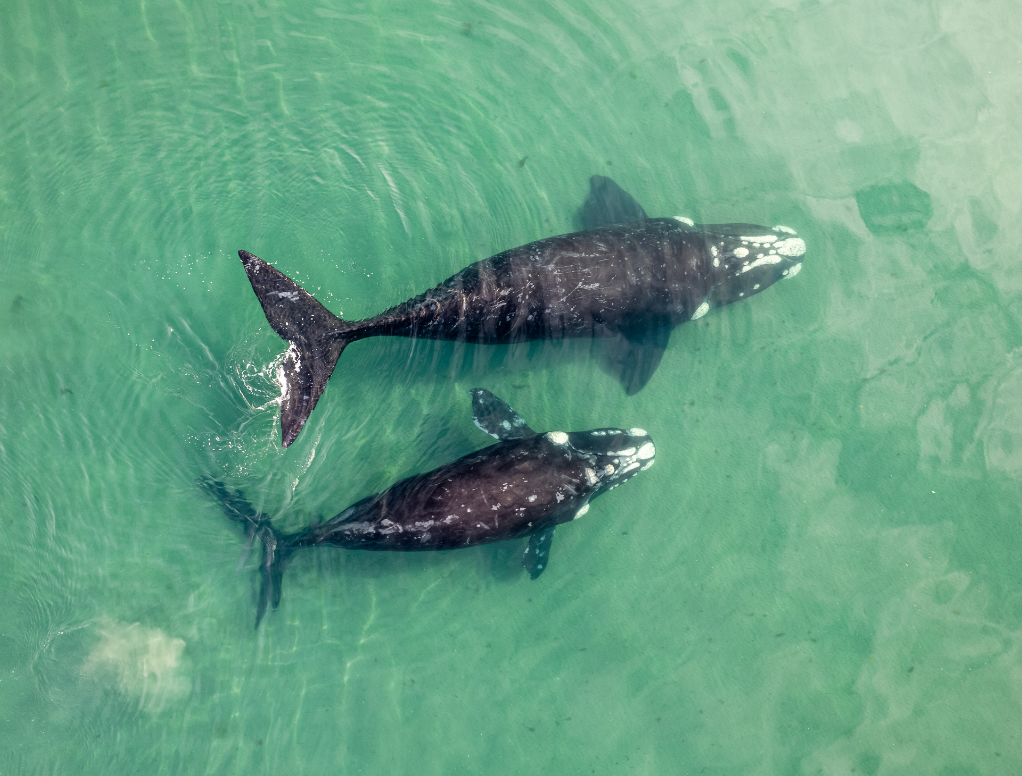
Southern Right Whales
Where to go: Argentina’s Península Valdés (Puerto Pirámides and Puerto Madryn)
How you’ll see them: By boat from Puerto Pirámides, the only place in Argentina authorized for whale-watching boat trips. Clients can also watch from shore along Golfo Nuevo, where the whales come close to the beach. Valdés is one of the world’s most important calving grounds for this species, and the whales are both numerous and easy to predict.
When to go: June–December. The first whales arrive in late May.
June–August: the whales stay close to Puerto Madryn.
September–mid-December: Puerto Pirámides is the better base.
Peak: September–October, the best months for mothers and calves and for surface activity such as breaching and tail-slapping.
Advisor note: An October trip to Valdés can include right whales, the start of the penguin season and the spring orca window.
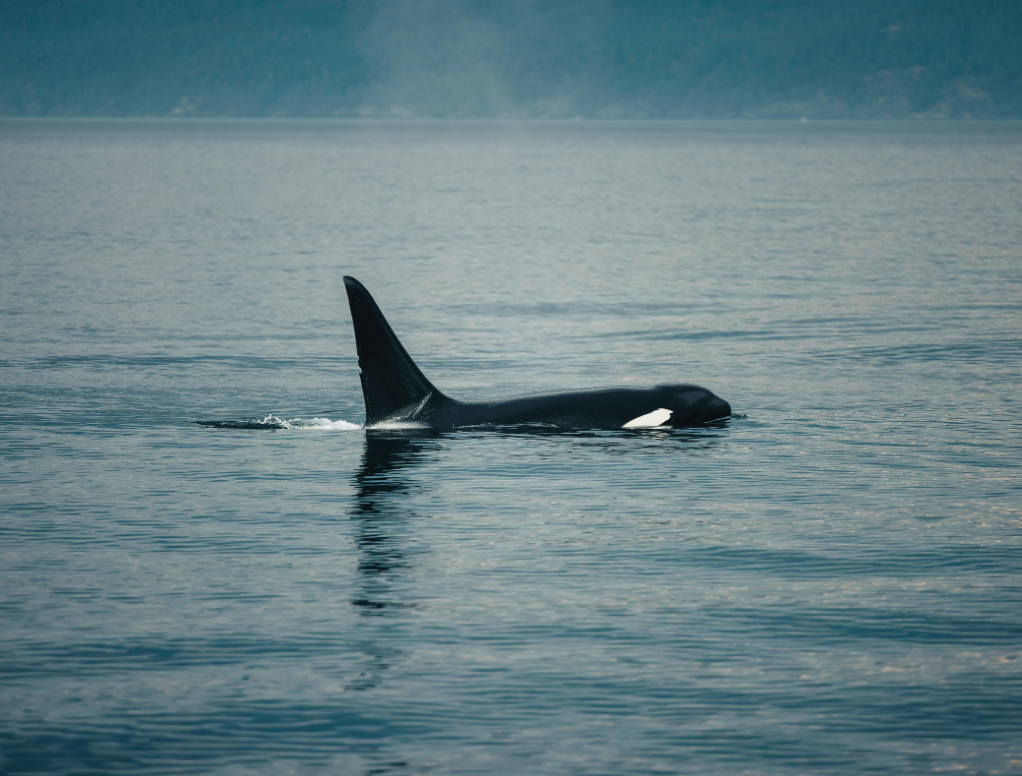
Orcas
Where to go: Argentina’s Península Valdés and Atlantic coast
How you’ll see them: From shore. At Punta Norte, orcas deliberately beach themselves to grab sea lion and elephant seal pups from the shoreline, then work their way back into the water. It is watched from lookouts on land, not from boats.
When to go: March–April and October–November, the two seasons when pups are in the water. The hunts depend on high tide, so clients need patience and more than one day.
Advisor note: This is for serious wildlife travelers. Book the right dates and enough days, and set expectations clearly.
The Year at a Glance
December–March (southern summer)
Penguin colonies are active across Patagonia. Humpbacks are in Mexico and Costa Rica and feeding in the Beagle Channel. It’s jaguar season in Los Llanos and the dry season for sloths in Costa Rica. The Galápagos has warm water and calm seas, and the Amazon is at high water.
March–April
The first orca season at Península Valdés. Los Llanos, the warm Galápagos season and Costa Rica’s dry season are wrapping up.
April–October (southern winter)
Prime puma tracking in Torres del Paine. Colca condor season opens in April and runs through December.
June–December
Southern right whales are at Península Valdés, peaking in September and October.
July–October
Peak jaguar season in the Pantanal. Humpbacks are along the Pacific coast from Panama to Peru. Galápagos marine life is at its peak, and the Amazon is at low water.
September–November
The second orca season at Valdés. Patagonia’s penguin season opens. Baby sloths appear in Costa Rica.
Year-round
Sloths, pink river dolphins, giant tortoises and Patagonian condors.