Anakonda Amazon Cruises
Ecuador
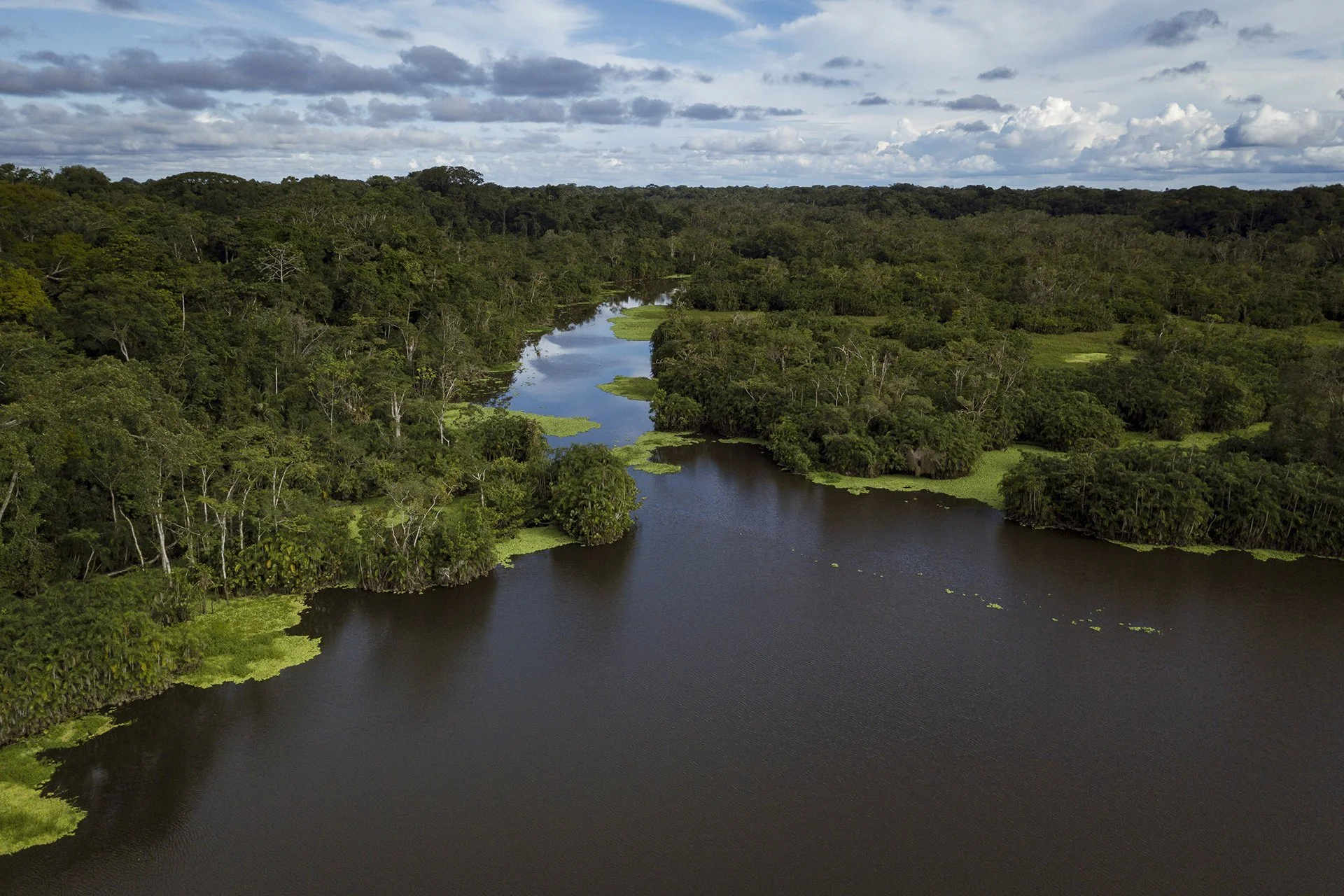
Sailing the Napo River is the most effective way to reach the deep, primary rainforest of the Ecuadorian Amazon: one of the most biodiverse regions on Earth.
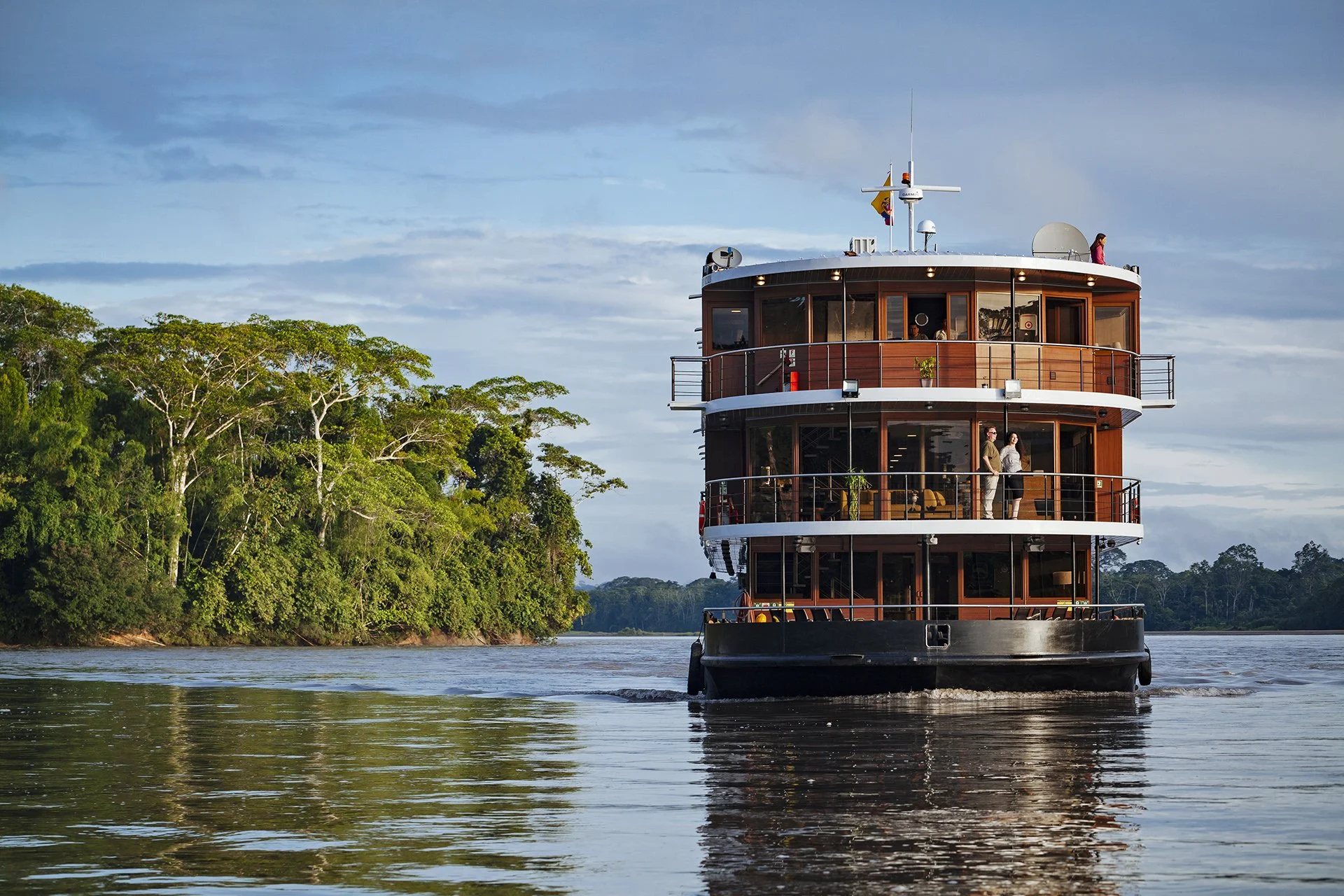
By using small, purpose-built riverboats as a moving basecamp, Anakonda Expeditions accesses remote tributaries and wildlife corridors within Yasuní National Park that land-based lodges simply can't reach.
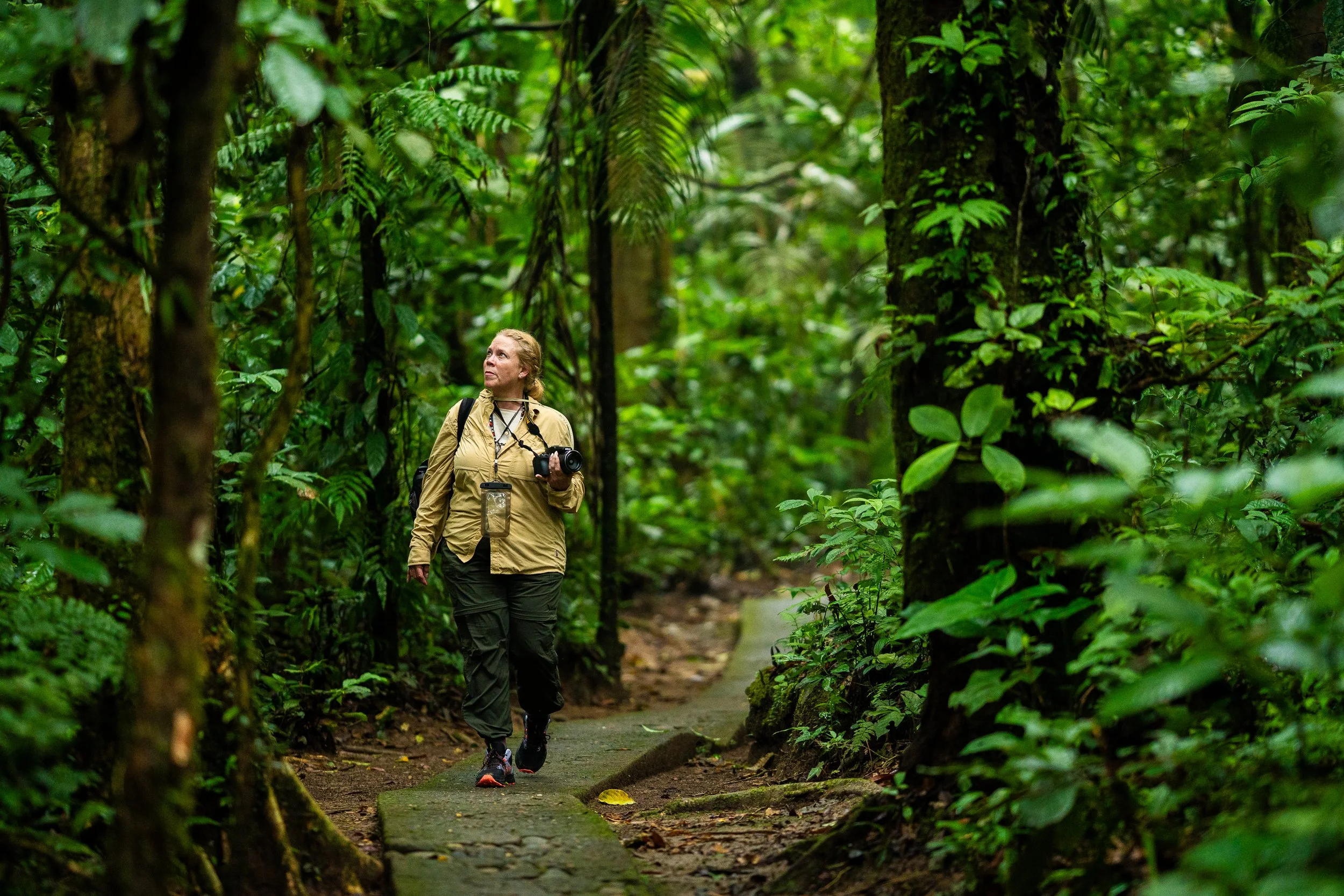
Days are structured around active wilderness exploration: skiff outings into quiet creeks to spot pink river dolphins, canopy tower climbs, and forest walks with local Kichwa trackers and naturalists.
Onboard, the setup is practical and comfortable; offering air-conditioned cabins, local food, and open decks to take in the river. It’s an expedition-first, community focused approach to exploring a wild and endlessly unfolding ecosystem.

Quick Facts
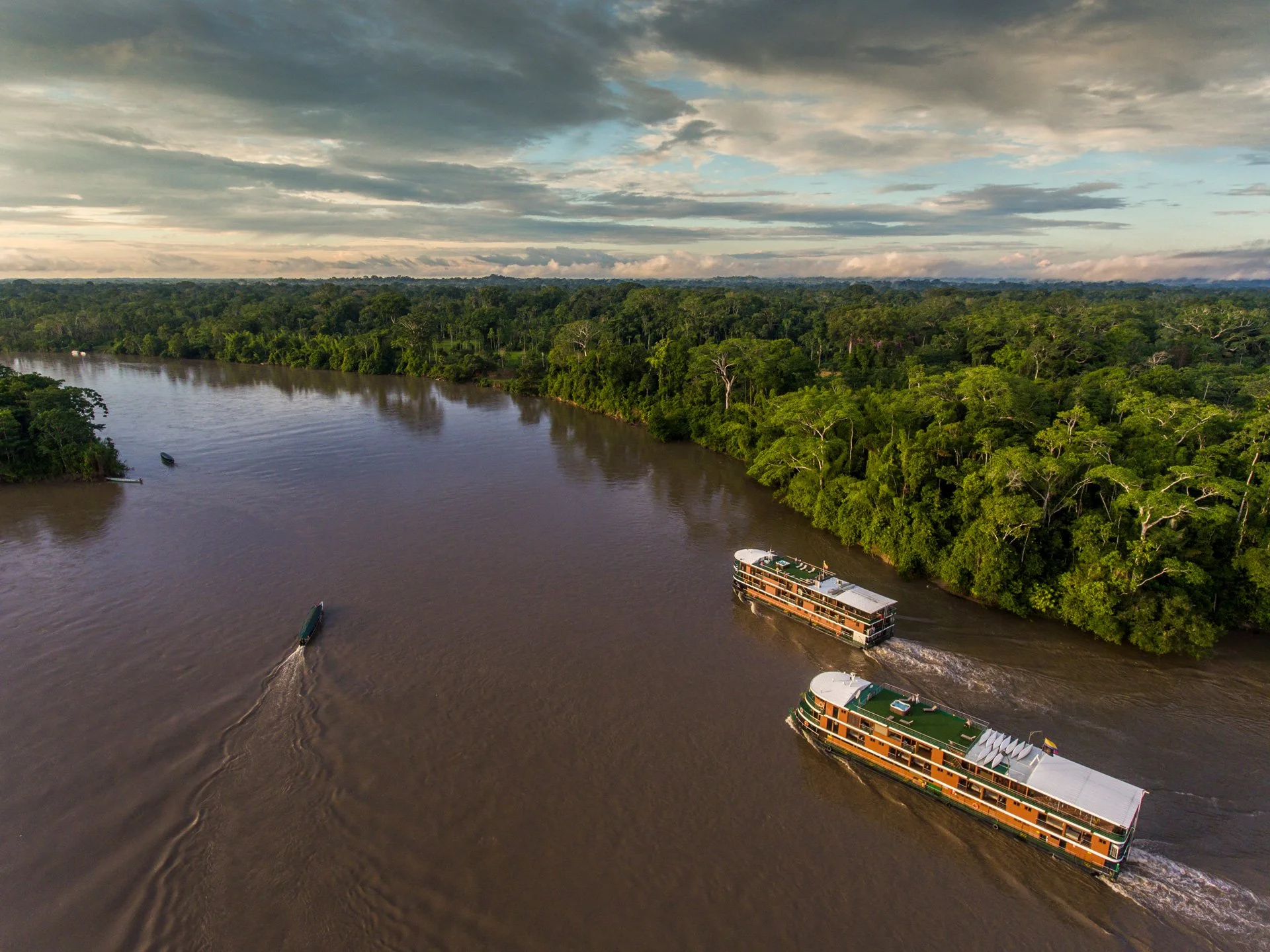
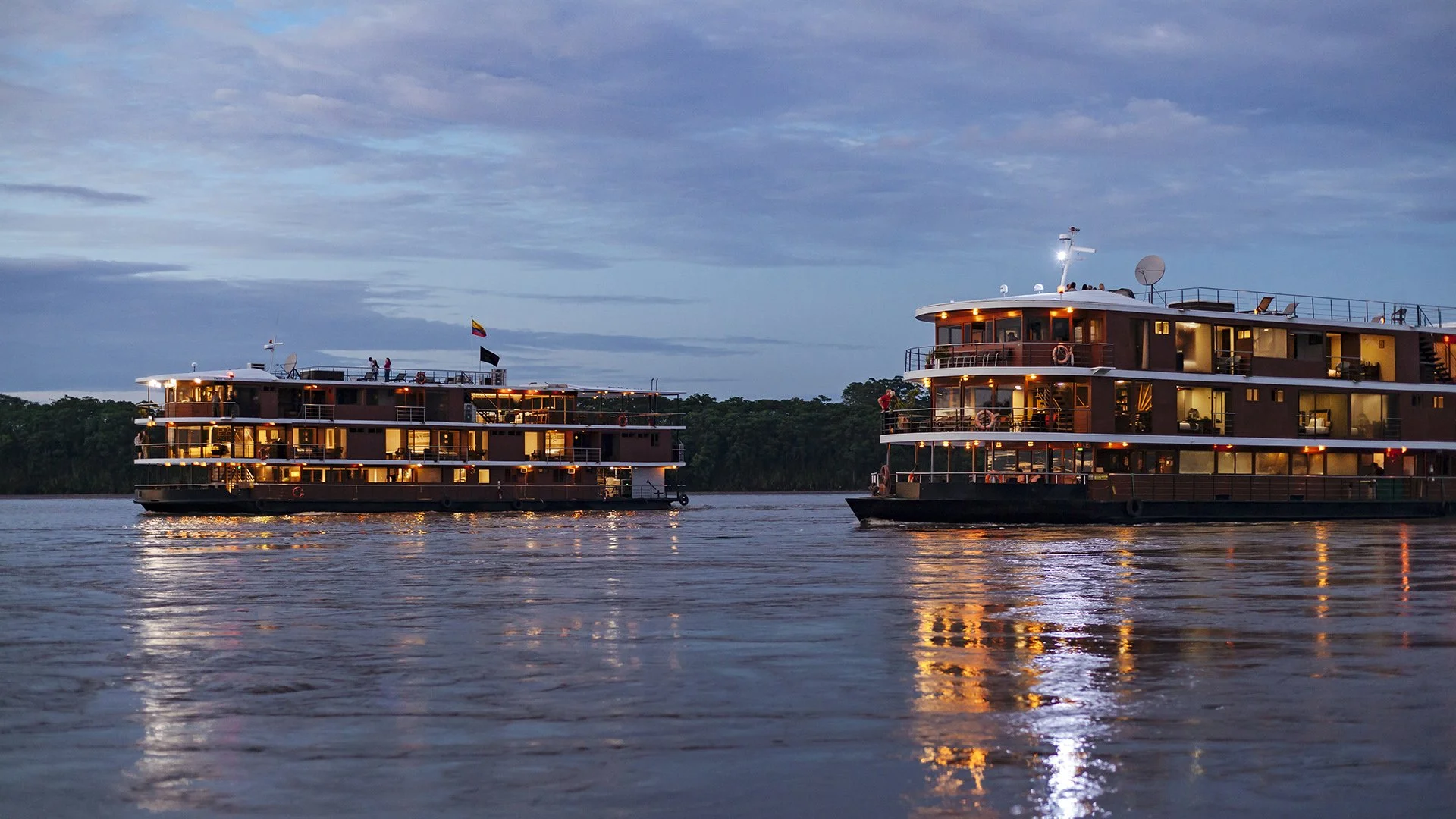
Fleet: Two river vessels — the Anakonda (2013. 16 suites, up to 36 guests) and the Manatee (2017. 14 suites, up to 30 guests).
Itineraries: 3-, 4-, and 7-night itineraries.
Suites: All have floor to ceiling windows and private balconies. Standard suites (215 sq. ft.) feature French balconies (Anakonda) or full balconies (Manatee). Deluxe suites (258 sq. ft.) feature private balconies with whirlpool tubs. Triple suite options (with roll-away) and interconnecting suites available.
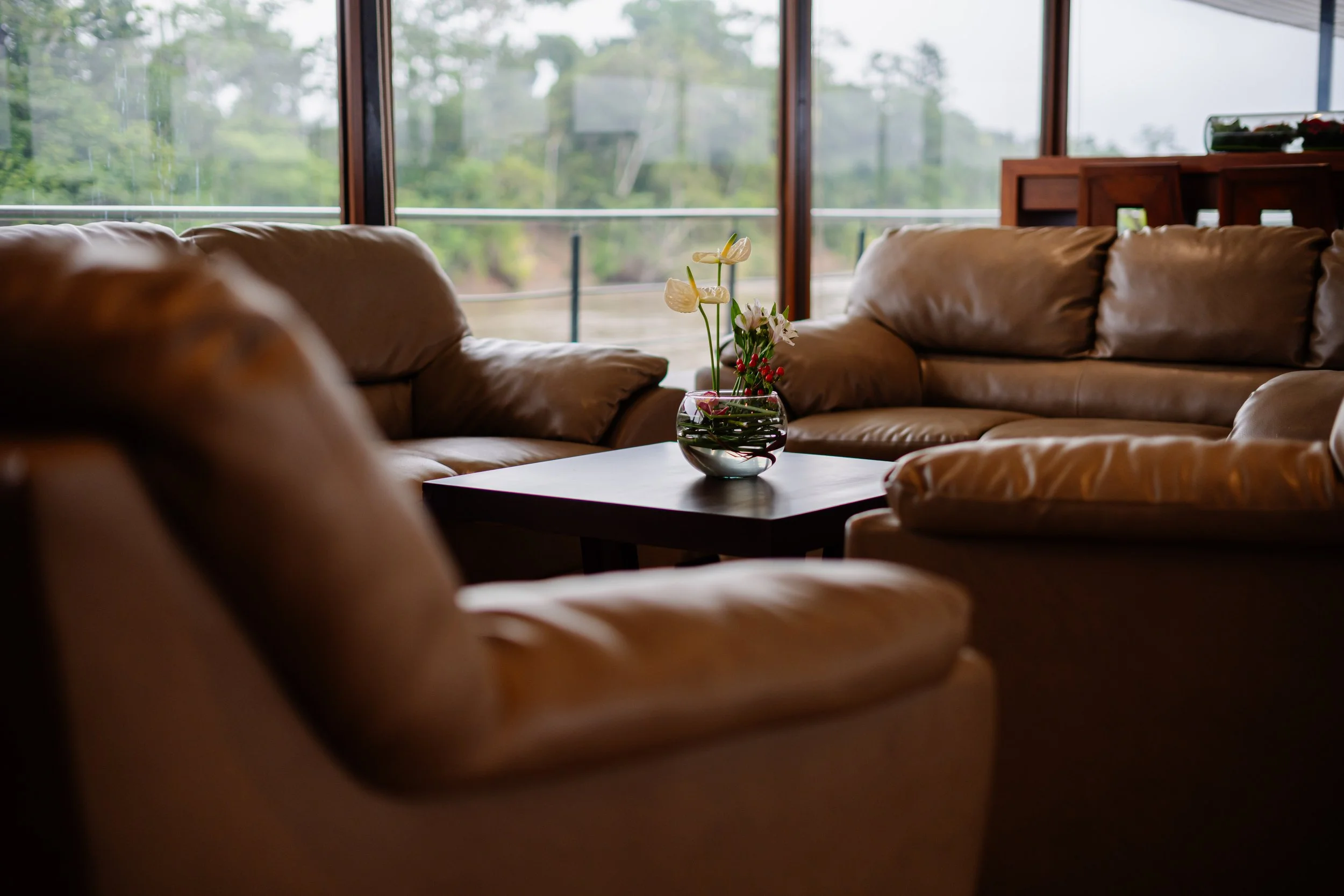
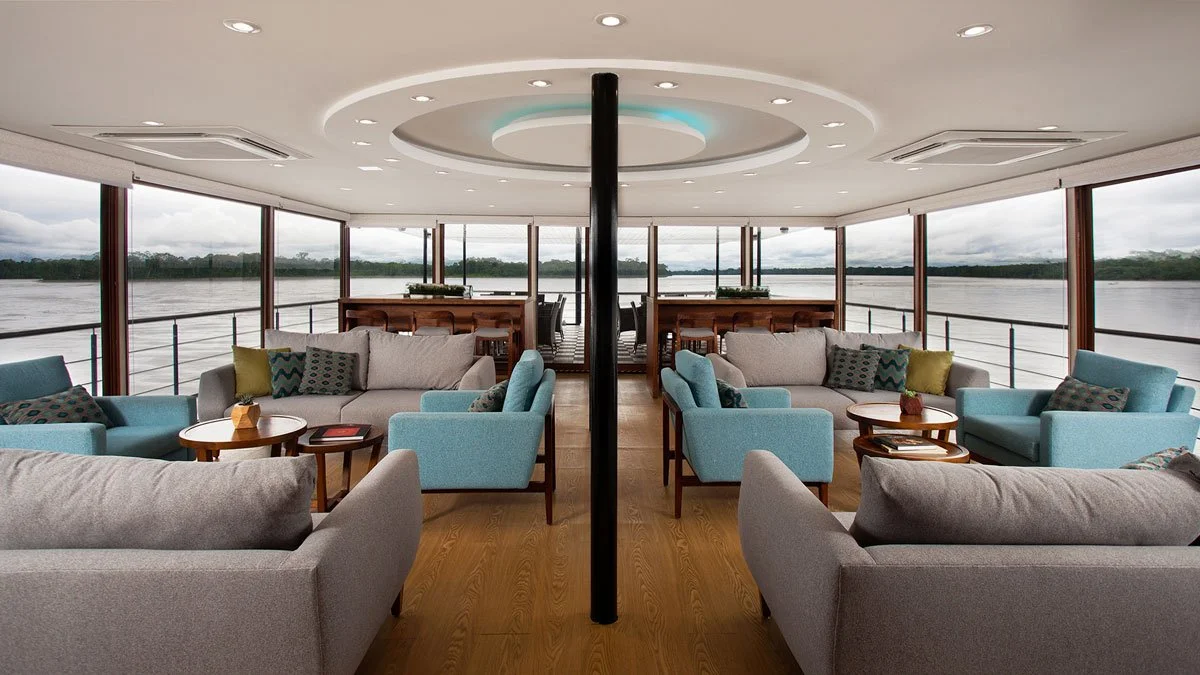
Facilities: Dining room, bar-lounge, observation deck with outdoor Jacuzzis, shop, al fresco dining area, and spa. Satellite internet available but subject to signal availability.
Included in program: All meals, guided excursions (including rubber boots and ponchos), Coca airport transfers (on recommended flights), access to the VIP lounge in Coca.
Excluded: Domestic flights, community entrance contribution ($70-$80/person), alcoholic/non-alcoholic drinks, gratuities, and satellite Wi-Fi.
Seasonality: Year-round. Cooler season runs June-September, warmer season from October-May, though temperatures do not vary greatly. Rain is common throughout the year.
Minimum Age: 6-years.
Rates: Three-night itineraries start at $2,542 per guest based on double occupancy on the Manatee, and $3,153 on the Anakonda.
Key Selling Points
Only cruise in the Ecuadorian Amazon: Other accommodations are land-based, giving travelers access to just one corner of the rainforest.
Easy access: Coca, the gateway city to the Ecuadorian Amazon, is a 30-minute flight from Quito. This is unique for the Amazon, which is harder to access in Peru and Brazil.
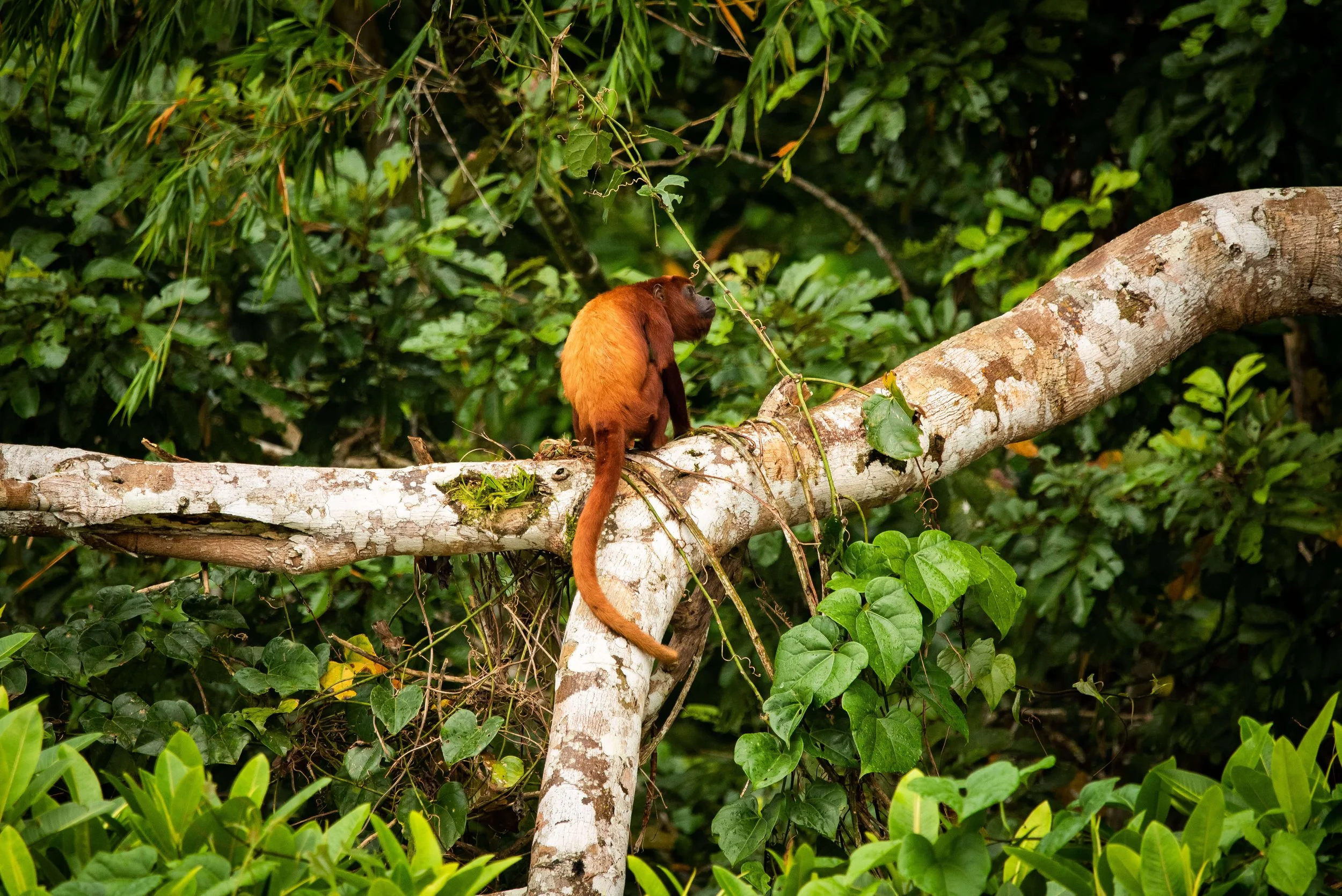
Prime Yasuní position: The itineraries focus on Yasuní National Park and its surrounding reserves, one of the most biodiverse places on Earth. Guests get high-density wildlife viewing, from pink river dolphins and howler monkeys to hundreds of bird species.
Purpose built vessels: The Anakonda and the Manatee are designed specifically for the Napo’s shifting shallow waters. With just one meter of draft, they can travel deep into the reserve without leaving a heavy footprint behind.
Real community integration: Anakonda partners with 15 Kichwa, Secoya, and Cofán communities. Local guides lead excursions, and visits directly support initiatives like women’s artisan collectives and turtle conservation projects.
Seamless logistics from Quito: Anakonda handles logistics from the moment travelers arrive in to the airport in Quito. VIP lounge access in Coca, dedicated airport assistance, and local transfers make access to the remote Amazon easy for travelers and advisors alike.
Industry Resources
Click here to request access to Anakonda’s portal, with an image library and more advisor resources

Excursions & Wildlife
Daily outings are led by local and naturalist guides and designed around the flow of the river, weather conditions, and guest interest. Excursions are run on a 1:10 guide to guest ratio.
Skiff & Motorized Canoe Rides: Navigate quiet black-water tributaries and white-water rivers to reach deep corners of Yasuní National Park and surrounding reserves.
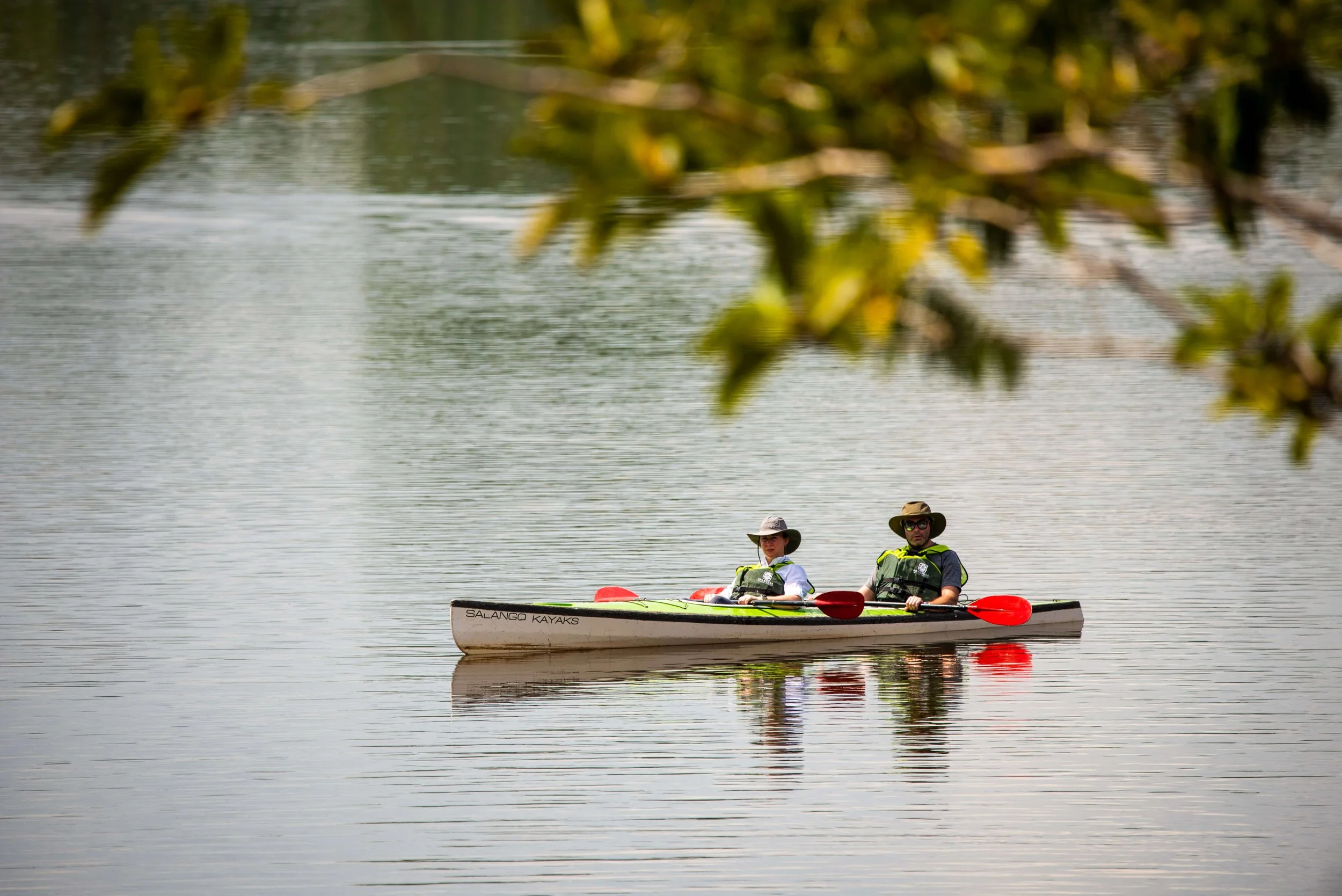
Kayaking: Paddle along calm river stretches like the Indillama River for a low-impact way to spot wildlife along the riverbanks.
Canopy Tower Walks: Ascend high above the rainforest canopy for 360-degree views over the endless Amazon Basin and prime birdwatching opportunities.
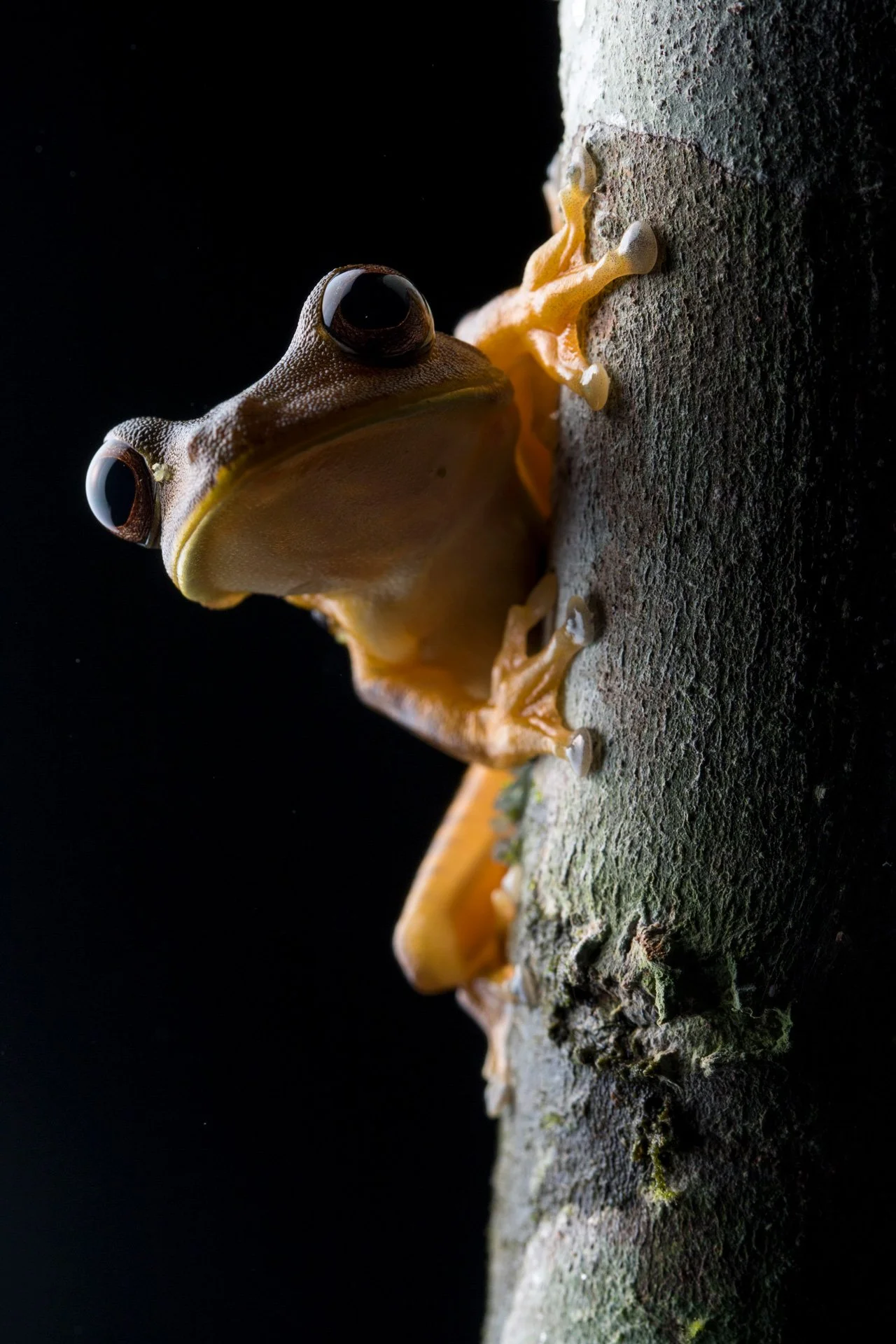
Day & Night Forest Hikes: Take guided treks through the jungle to learn about medicinal flora, or venture out after dark to observe nocturnal insects, amphibians, and reptiles.
Wildlife Spotting: Encounter pink river dolphins, giant otters, caimans, paiches, river turtles, and multiple species of primates in their natural habitats.
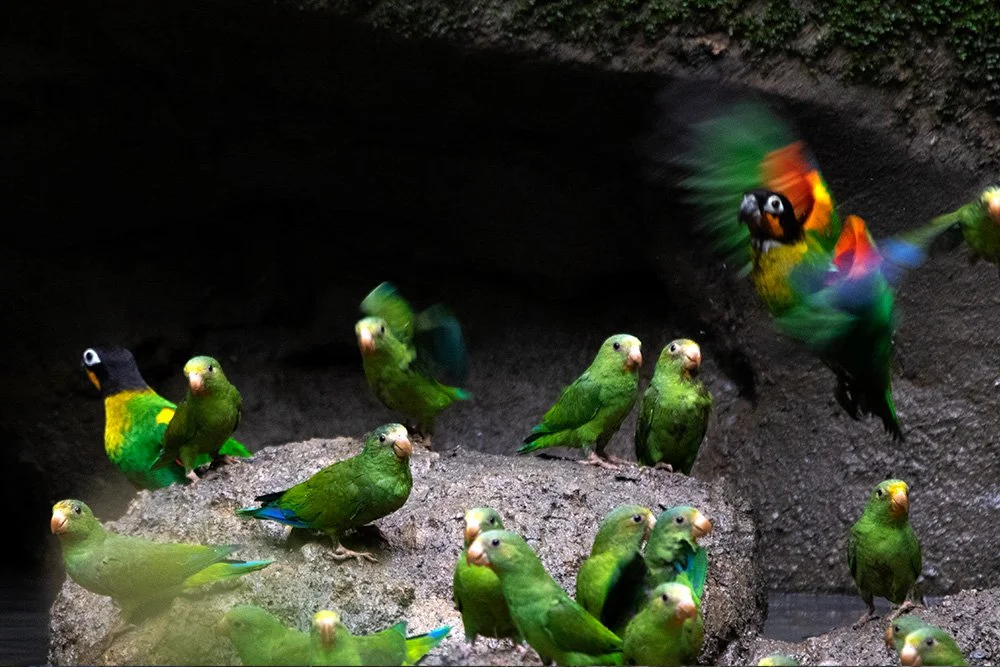
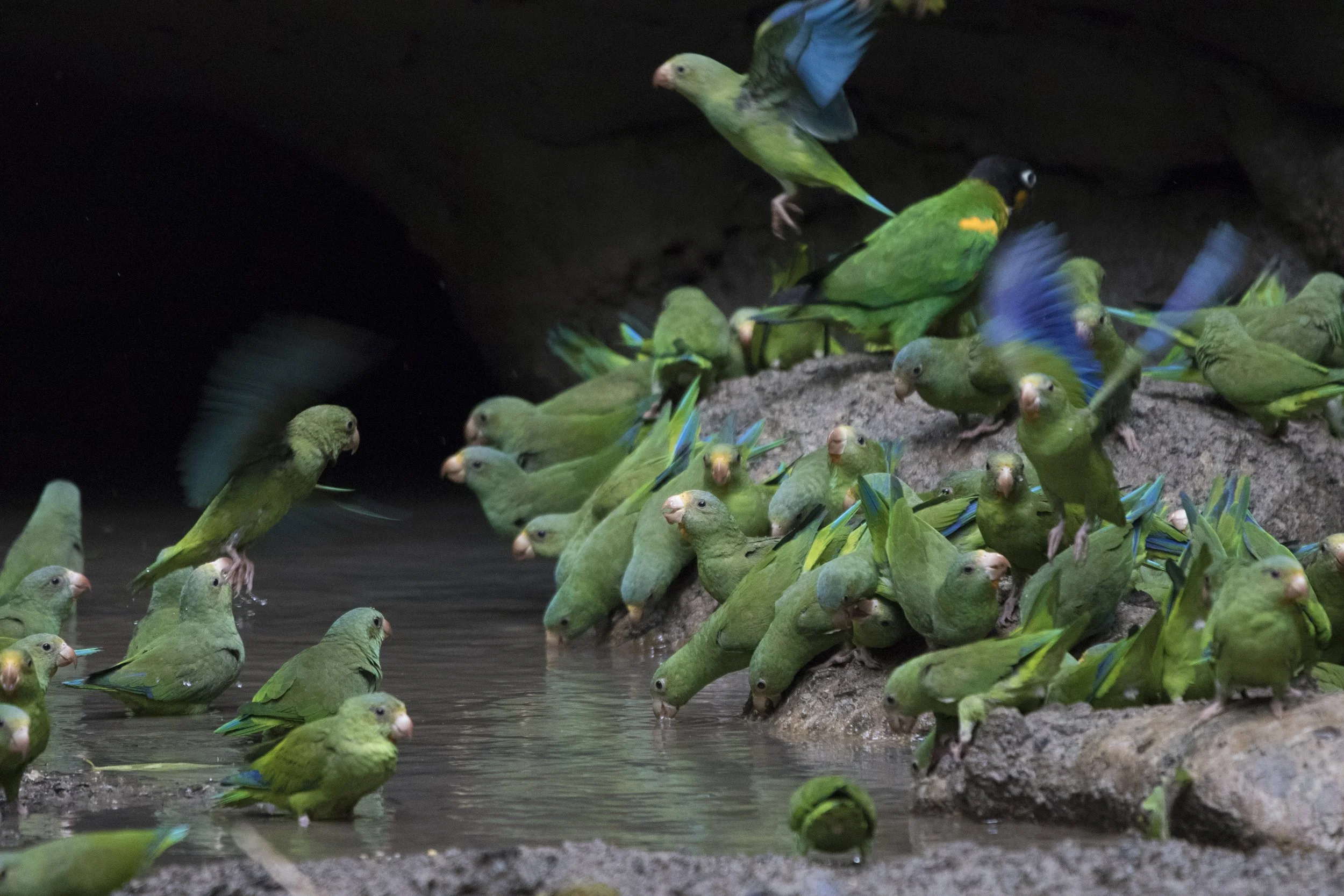
Parrot Clay Licks: Travel by canoe to witness hundreds of colorful parrots, parakeets, and macaws gathering at mineral-rich clay licks.
Birdwatching Outings: Track over 500 native bird species, including toucans, eagles, woodpeckers, oropendolas, and the prehistoric hoatzin.
Cultural Encounters: Spend time with local Kichwa and Secoya families and visit community centers to learn about traditional gastronomy, handicrafts, and life along the Napo River.
Wilderness Glamping: Optional overnight excursions to sleep under the Amazonian stars in comfortable tent setups with chef-prepared meals (extra cost.)
Getting there
By air: 30-minute flights from Quito to Coca. Coca airport transfers included in the package.
By land: 6-hour drive from Quito to Coca.
Guests are welcomed at the Anakonda office in Coca, right across from the port. Then, they take a 90-minute motorized canoe down the Napo river to reach the ship.
Sustainability
Anakonda Amazon Cruises bases its sustainability model on direct local governance, active wildlife recovery, and economic partnerships across 15 Amazonian communities.
Indigenous Community Alliances: Formal agreements with 15 river communities—including Kichwa, Secoya, and Cofán groups—to ensure operations respect ancestral lands, preserve local traditions, and return direct financial benefits to each community.
Pink River Dolphin Conservation: Established a protected, no-hunting reserve in the Cocaya region in 2010 alongside the Kichwa community of Martinica, helping stabilize and increase the local dolphin population.
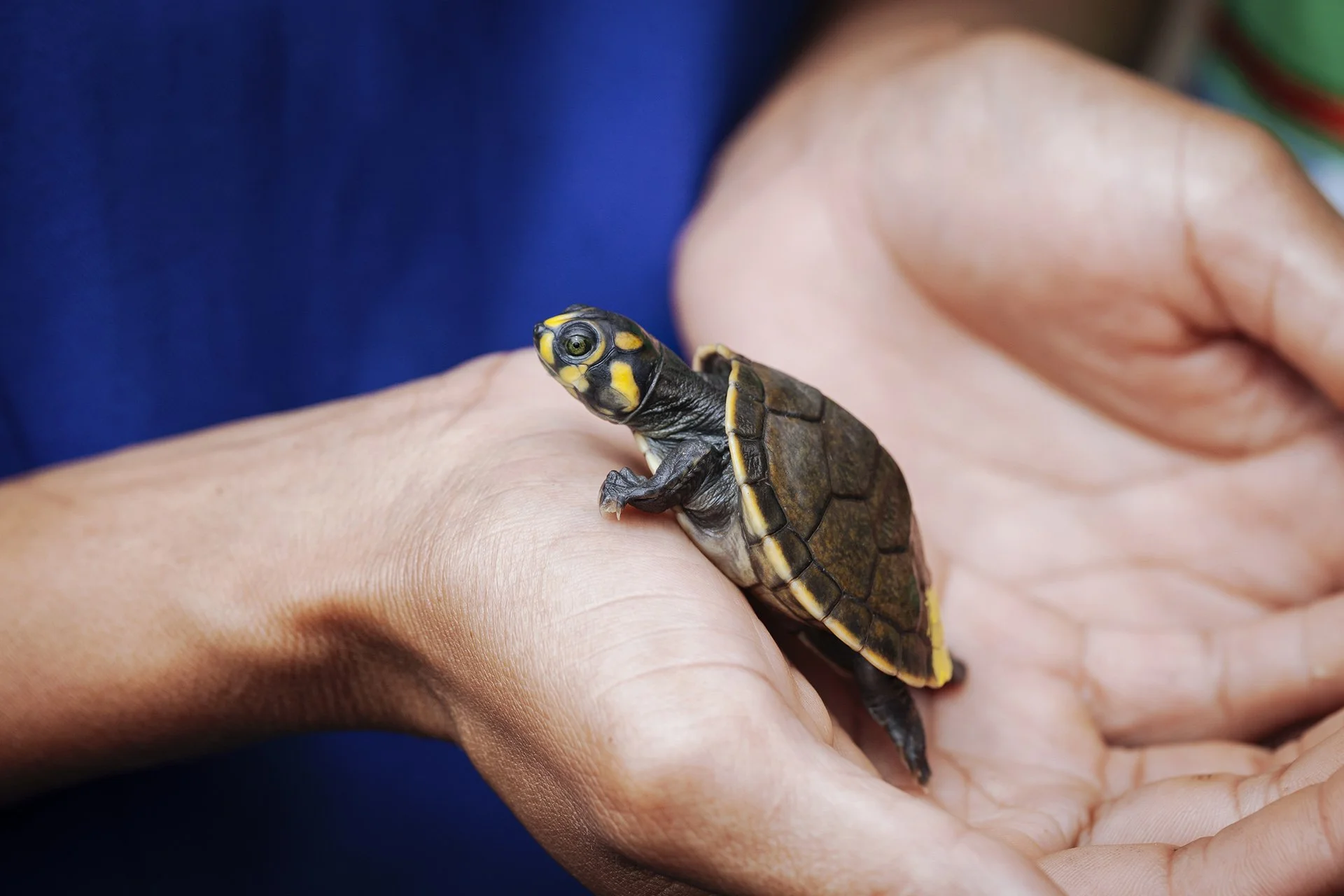
Charapas Turtle Repopulation: In partnership with Wildlife Conservation Society Ecuador and riverbank communities, local families safeguard vulnerable turtle nesting sites from illegal harvesting, raise hatchlings, and release young turtles back into the wild.
Local Sourcing & Employment: Operations prioritize hiring local native guides and crew while supporting community micro-economies through the direct purchase of regional food products and artisan handicrafts.
Why Anakonda?
Raúl Garcia started navigating the Napo River in the 70s, long before luxury river cruising existed in Ecuador. Recognizing that the deepest, most biodiverse parts of the Ecuadorian Amazon were best accessed by water rather than land lodges, he built his first vessel, the Manatee, and later designed the Anakonda. Both ships were purpose-built with shallow drafts specifically to navigate the Napo’s shifting sandbars and reach remote corners of Yasuní National Park.
Today, Anakonda’s presence along the river is rooted in long-standing relationships with the local Kichwa, Cofan, and Secoya communities. The majority of the ship’s crew comes from towns along the riverbanks, and their operations support native-led conservation initiatives. Cultural interactions are woven into the itinerary through partnerships with local families who share their territory and traditional knowledge on their own terms.
Expedition cruising in the upper Amazon involves complex logistics, fluctuating water levels, and unpredictable weather. Anakonda handles these variables with competence, prioritizing deep wilderness access without cutting corners on safety or environmental responsibility.
Onboard, the setup focuses on comfortable, practical quality: air-conditioned cabins with floor-to-ceiling window views, meals made with fresh ingredients, and top-deck viewing areas. However, the ship is designed to be a launchpad rather than a destination in itself. The real highlight is getting out onto small skiffs, paddling kayaks into narrow tributaries, climbing canopy towers, and walking forest trails with guides who know the jungle intimately.
Returning to a cool cabin and a hot shower after a humid morning tracking wildlife makes the expedition accessible and rewarding. For travelers who want an authentic, expertly led journey into one of the most biologically diverse places on the planet, Anakonda sets the standard.



Why The Ecuadorian Amazon?
The Ecuadorian Amazon makes up only about 2% of the entire Amazon basin, but it punches dramatically above its weight in biodiversity and traveler experience.
It sits in a unique ecological quadrangle, right at the intersection of the equator, the high Andes, and the western Amazonian lowlands. That overlap creates unique microclimates and some of the highest species density anywhere on Earth. In places like Yasuní Biosphere Reserve, a single hectare can contain more tree species than all of the US and Canada combined, alongside staggering numbers of birds, amphibians, and mammals.
Beyond the biology, the region is defined by its cultural presence. These waterways flow through sovereign ancestral territories of the Kichwa and Waorani, where traditional ecological knowledge is part of daily life.
Ecuador’s compact geography also changes the practical dynamic of an Amazon expedition. Reaching primary, intact rainforest in other countries often requires multi-day transits and multiple connection points. Here, a quick 35-minute flight from Quito puts you on the Napo River, letting you trade city streets for deep wilderness on the same day without sacrificing on remoteness.
Raúl García
About the founder
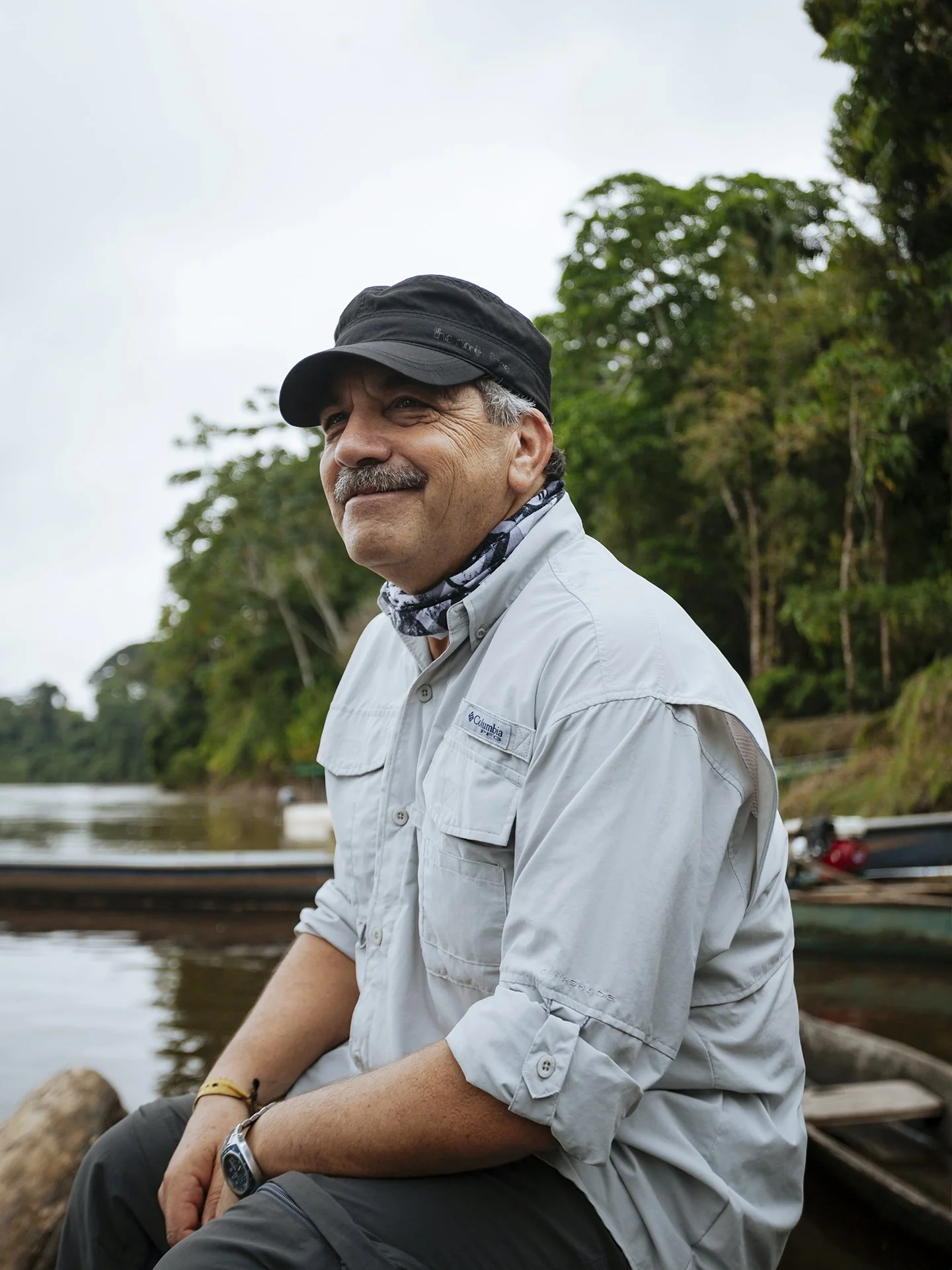
Known along the river as "El Capi" (The Captain), Raúl García got his start in marine navigation in the Galápagos before heading inland to the Napo River in the late 1970s. He arrived just as oil exploration was expanding into the Ecuadorian Amazon. He saw firsthand how extractive industries disrupted the lands and ways of life of local indigenous communities.
Recognizing that conservation required a viable alternative to oil money, Raúl set out to build a sustainable economy around the river. In 1985, he co-founded Ecuador’s Ecotourism Society, and later launched the Manatee and the Anakonda to bring travelers into deep, primary rainforest while supporting the people who live there.
Decades later, that mission remains unchanged: more than half of Anakonda’s crew is hired directly from local communities, and the operation actively funds native-led conservation projects. The company has since become family-run, with Raúl’s sons Diego and Raúl, as well as his wife Martha in leadership positions, contributing to their shared vision and making the company stronger for it.
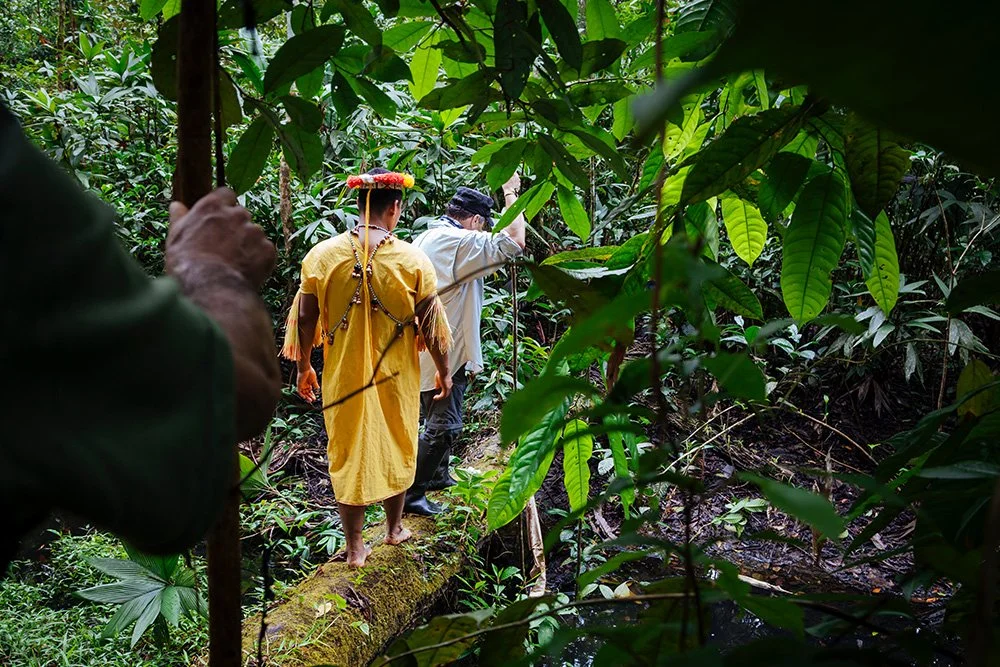
“We could do our operation without [the local communities], but it would be an operation without spirit…I want it to be a collaboration, and for them to get a part of the benefit.”
-Raúl, Founder
All images courtesy of Anakonda Amazon Cruises